

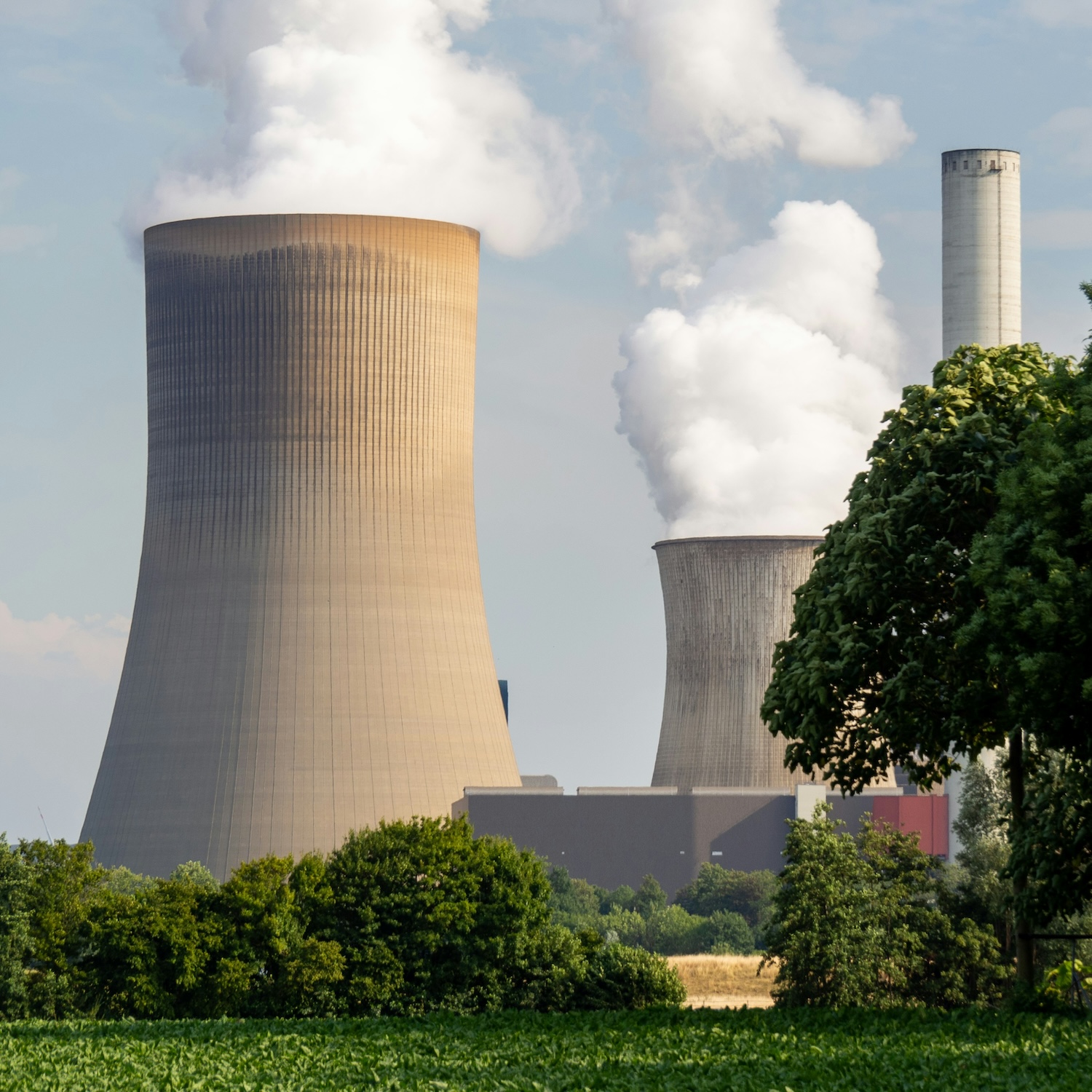
Nuclear energy and the industrial decarbonization imperative
Every credible net-zero pathway agrees on one thing: electricity must decarbonize. Wind, solar, and storage dominate the public conversation around the energy transition. They attract the majority of political attention, investment flows, and infrastructure planning. They are necessary. They are not sufficient. Because electricity is only part of the challen

Why nuclear desalination is the GCC’s most overlooked strategic asset
The global energy transition commands enormous attention, from boardrooms and parliaments to investment committees and international summits. Water security receives considerably less. That asymmetry is becoming difficult to justify. Water stress already affects large parts of the Middle East, North Africa, South Asia, and southern Europe. According to the W

The new geography of nuclear: energy security, supply chains and strategic autonomy
For most of its history, nuclear energy has been discussed through three familiar lenses: technology, safety, and financing. Reactor design, regulatory oversight, and project economics dominated conversations. That framework is no longer sufficient. What is increasingly reshaping nuclear today is geography, where critical materials originate, who controls ke

Nuclear’s role in the hydrogen economy
Hydrogen is rapidly moving to the center of Europe’s decarbonization strategy. It is seen as the missing piece for decarbonizing “hard-to-abate” sectors such as steel, cement, fertilizer, refining, and heavy transport. The European Commission’s Hydrogen Strategy envisions 40 GW of electrolysis capacity by 2030 and a mature market by 2050. Despite its
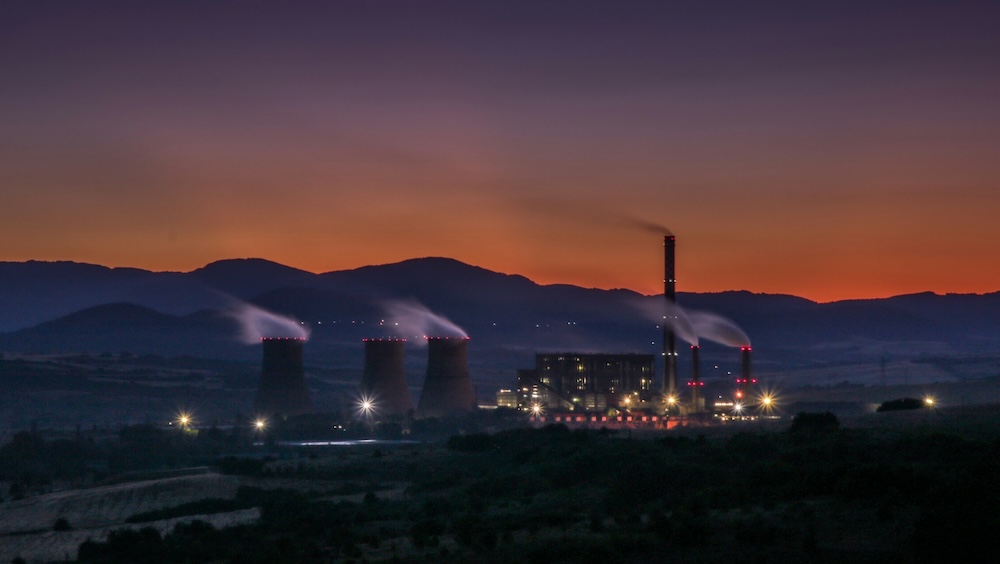
Nuclear supply chain under pressure in a fragmented world
The nuclear sector is entering a new phase of global expansion. Across the globe, governments are commissioning new large-scale reactors, accelerating SMR development, and investing in advanced fuel cycles. Ambitions are bold: the EU has reaffirmed its support for next-generation nuclear projects as part of its decarbonization strategy, while the United Stat
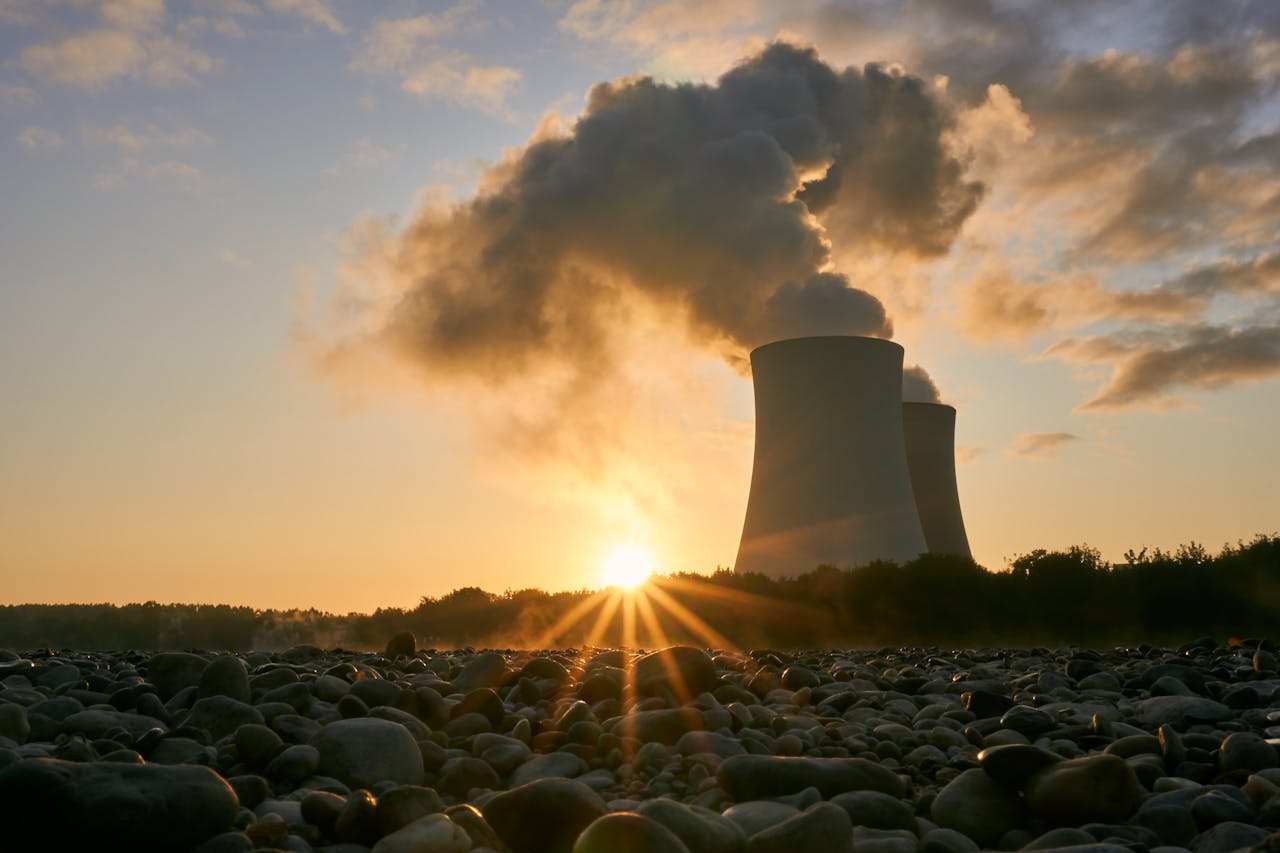
How strategic innovation in nuclear can deliver climate and energy resilience
Achieving climate neutrality while securing stable energy access is one of the most significant industrial challenges of our time. As governments confront volatile fuel markets and soaring electricity demand, nuclear energy is being redefined—not as legacy infrastructure, but as a core engine of innovation. Next-generation nuclear technologies, including s
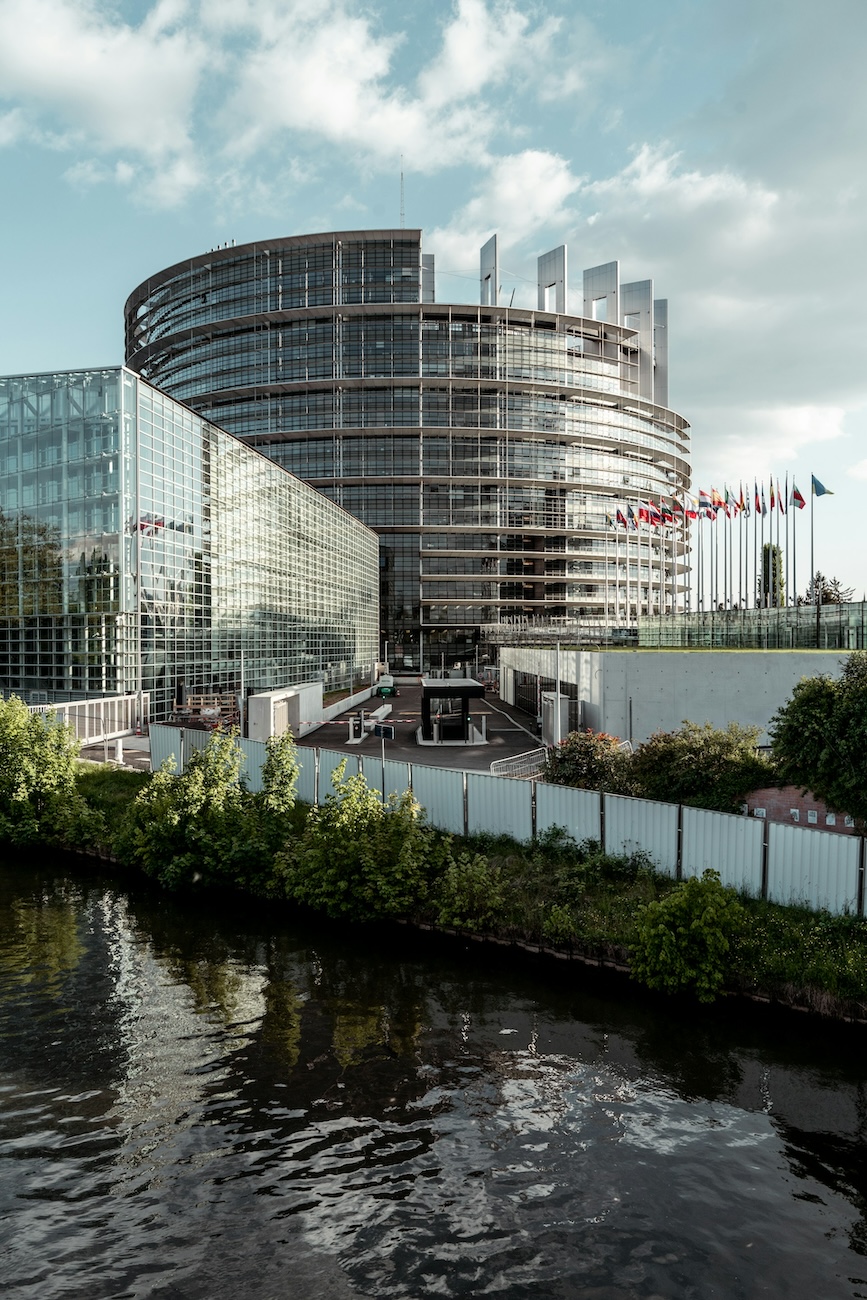
Why Europe must rethink nuclear deployment at scale
Europe’s ambition to reach net zero by 2050 hinges on one unavoidable reality: the continent needs more clean, dispatchable, and secure electricity. Nuclear power is central to meeting this need — but only if we stop treating it as a special case or future option, and start embedding it within long-term infrastructure and industrial planning. […]
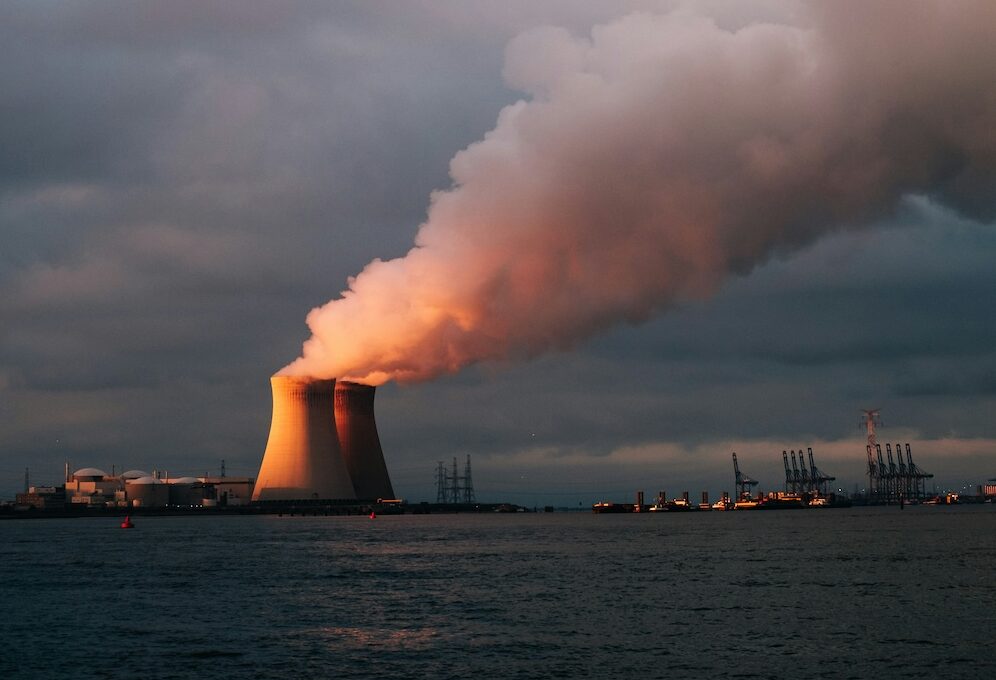
Nuclear energy: a strategic pathway to national energy independence
Contextualising energy independence and energy security in the 21st century The concept of energy security and energy independence have evolved dramatically in the past two decades. Energy is no longer a mere economic consideration; it has transformed into a critical national security imperative. Geopolitical experts now recognise energy as a fundamental com