

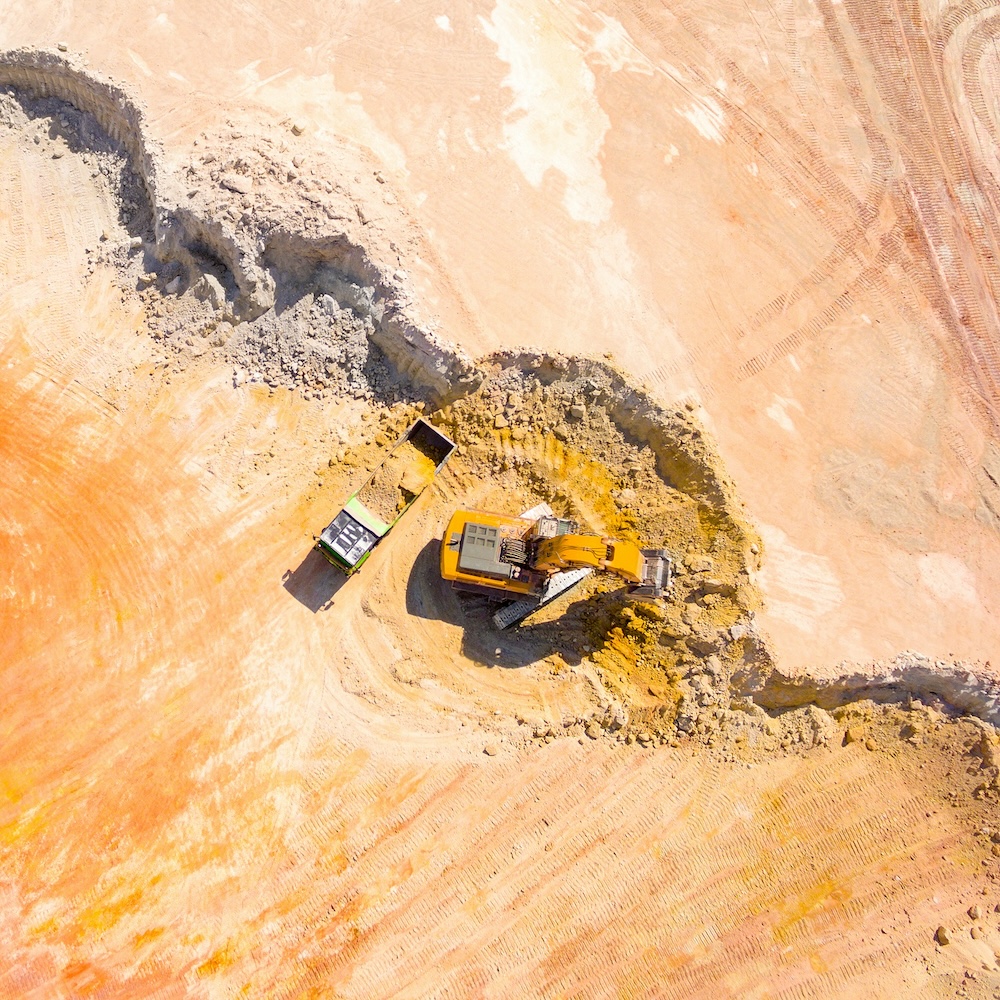
The uranium fuel chain: where the real constraint lies
Nuclear energy is attracting capital at a scale not seen in decades. Thirty-one countries have committed to tripling their nuclear capacity by 2050, with new countries pledging since governments across Europe, North America, and Asia are extending plant lifetimes, restarting mothballed reactors, and funding new builds. Hyperscalers are signing long-term powe
Decommissioning as a market
As of today, 226 nuclear reactors have been permanently shut down worldwide. Of those, more than 200 are in some stage of active decommissioning. Only 23 have been fully dismantled. That gap, between the number of reactors that have stopped generating power and the number whose sites have been fully remediated, tells the central story […]

What nuclear due diligence actually requires
Nuclear M&A has entered a new phase of activity. Indeed, the value of mergers and acquisitions involving the global nuclear industry in the first half of 2026 doubled to $7 billion compared with a year earlier. The European, Middle East and Africa region saw an aggregate increase in deal values from USD1.2 billion in the […]
Nuclear energy and the industrial decarbonization imperative
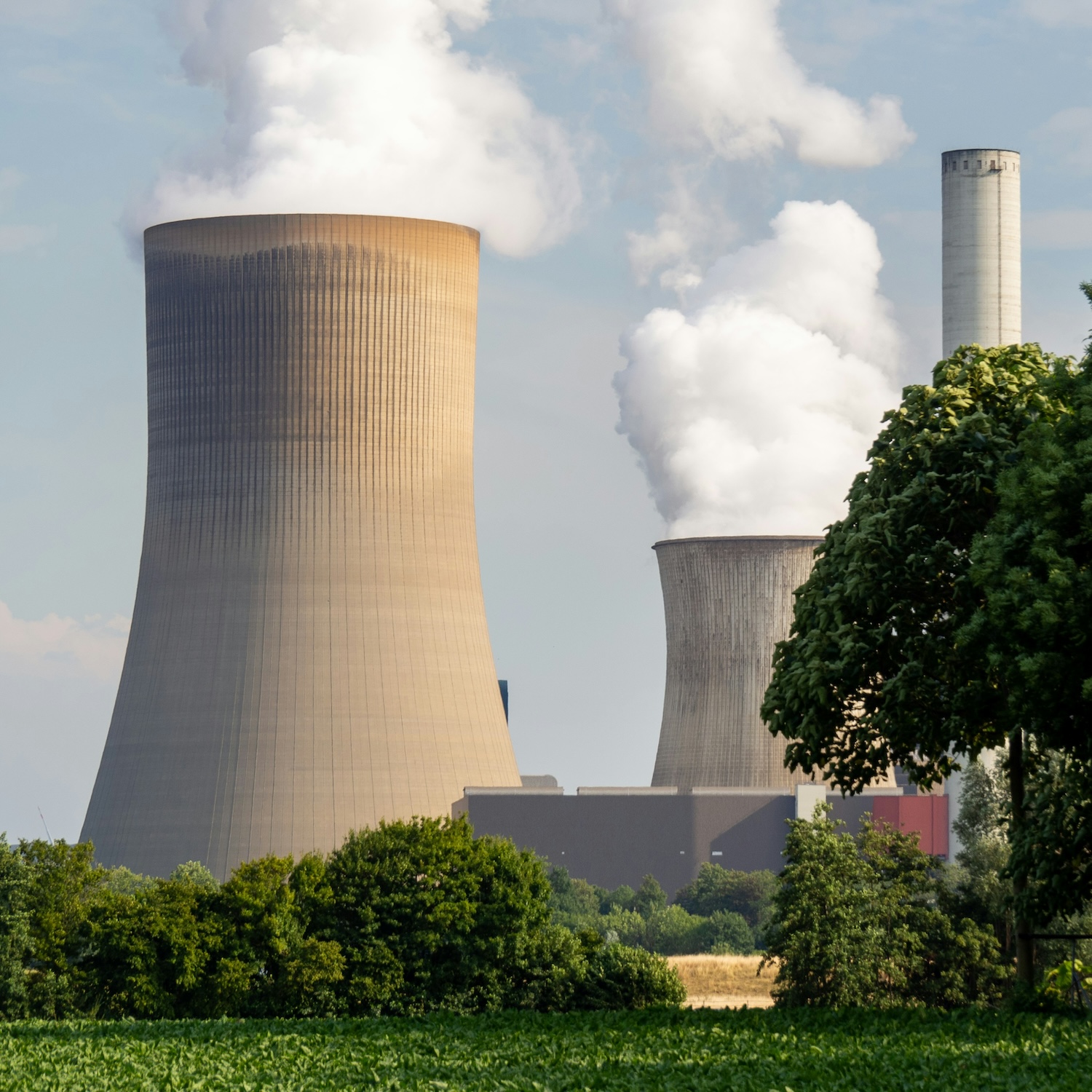
Every credible net-zero pathway agrees on one thing: electricity must decarbonize. Wind, solar, and storage dominate the public conversation around the energy transition. They attract the majority of political attention, investment flows, and infrastructure planning. They are necessary. They are not sufficient. Because electricity is only part of the challen

Why nuclear desalination is the GCC’s most overlooked strategic asset
The global energy transition commands enormous attention, from boardrooms and parliaments to investment committees and international summits. Water security receives considerably less. That asymmetry is becoming difficult to justify. Water stress already affects large parts of the Middle East, North Africa, South Asia, and southern Europe. According to the W
Nuclear in a multi-technology energy system
For decades, nuclear energy has been assessed in isolation.The central question was whether to build it, with alternatives evaluated on cost, safety, and delivery. That framing is becoming increasingly outdated. As energy systems decarbonise, the challenge is no longer to choose between technologies. It is to make them work together. Nuclear now operates alo

Why the next wave of electricity demand is a strategic issue for the nuclear industry
Electricity demand is entering a new phase. Not a gradual increase, not a cyclical rebound, but a structural shift driven by the rapid expansion of data centres and artificial intelligence workloads. For the nuclear industry, this evolution is not peripheral. It goes to the heart of how future capacity is planned, financed, regulated and integrated […
Why nuclear strategy decisions made today will define the next 20 years
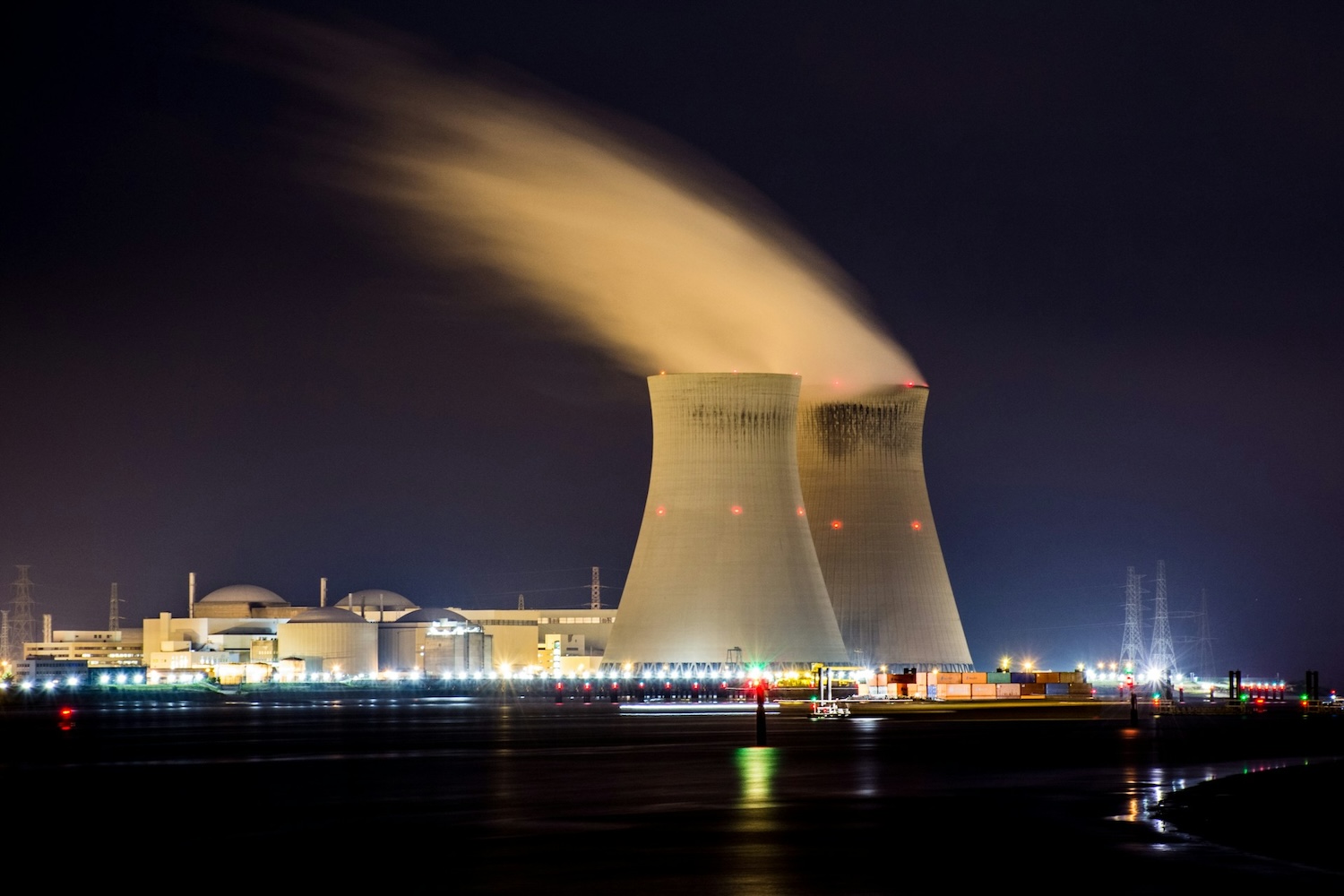
In nuclear energy, timing is not a side consideration. It is the backbone of the deployment strategy. Decisions made today regarding technologies, industrial partnerships, supply chains, workforce development, and delivery models will shape energy systems well into the 2040s and beyond. Nuclear assets are designed today to operate for at least 60 years. Once

Nuclear’s role in the hydrogen economy
Hydrogen is rapidly moving to the center of Europe’s decarbonization strategy. It is seen as the missing piece for decarbonizing “hard-to-abate” sectors such as steel, cement, fertilizer, refining, and heavy transport. The European Commission’s Hydrogen Strategy envisions 40 GW of electrolysis capacity by 2030 and a mature market by 2050. Despite its
Nuclear supply chain under pressure in a fragmented world
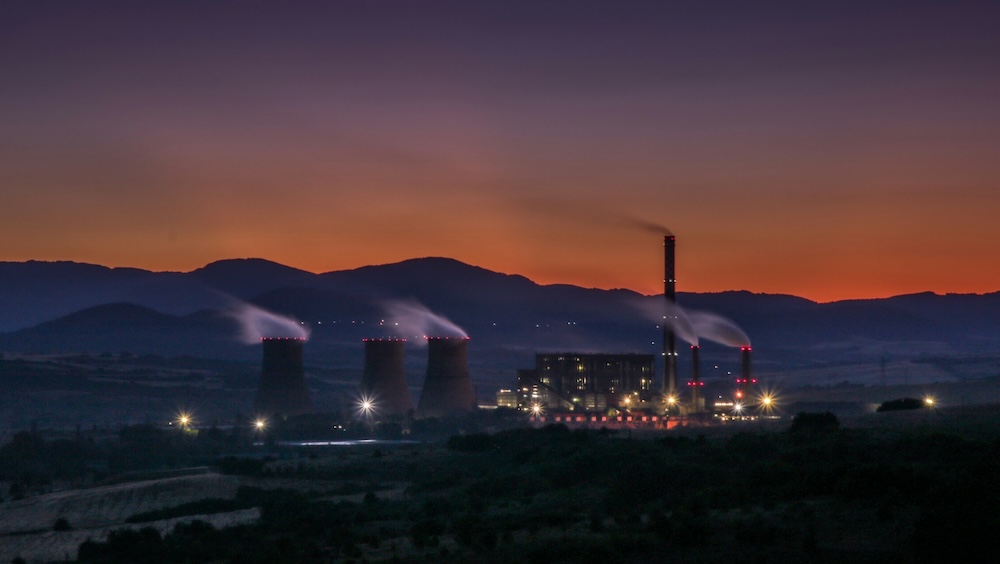
The nuclear sector is entering a new phase of global expansion. Across the globe, governments are commissioning new large-scale reactors, accelerating SMR development, and investing in advanced fuel cycles. Ambitions are bold: the EU has reaffirmed its support for next-generation nuclear projects as part of its decarbonization strategy, while the United Stat