

Decommissioning as a market
As of today, 226 nuclear reactors have been permanently shut down worldwide. Of those, more than 200 are in some stage of active decommissioning. Only 23 have been fully dismantled. That gap, between the number of reactors that have stopped generating power and the number whose sites have been fully remediated, tells the central story […]

What nuclear due diligence actually requires
Nuclear M&A has entered a new phase of activity. Indeed, the value of mergers and acquisitions involving the global nuclear industry in the first half of 2026 doubled to $7 billion compared with a year earlier. The European, Middle East and Africa region saw an aggregate increase in deal values from USD1.2 billion in the […]
Nuclear financing in the new era
Something structural has changed in nuclear energy finance. Between 2020 and 2025, capital flows to nuclear power grew by 50 percent. They were on course to reach approximately $75 billion in 2025 alone, compared to a 2017–2023 annual average of around $50 billion and surpassed $80 billion by the end of 2025. On June 11, […]
Nuclear energy and the industrial decarbonization imperative
Every credible net-zero pathway agrees on one thing: electricity must decarbonize. Wind, solar, and storage dominate the public conversation around the energy transition. They attract the majority of political attention, investment flows, and infrastructure planning. They are necessary. They are not sufficient. Because electricity is only part of the challen

Why nuclear desalination is the GCC’s most overlooked strategic asset
The global energy transition commands enormous attention, from boardrooms and parliaments to investment committees and international summits. Water security receives considerably less. That asymmetry is becoming difficult to justify. Water stress already affects large parts of the Middle East, North Africa, South Asia, and southern Europe. According to the W
Why nuclear strategy decisions made today will define the next 20 years
In nuclear energy, timing is not a side consideration. It is the backbone of the deployment strategy. Decisions made today regarding technologies, industrial partnerships, supply chains, workforce development, and delivery models will shape energy systems well into the 2040s and beyond. Nuclear assets are designed today to operate for at least 60 years. Once

Nuclear’s role in the hydrogen economy
Hydrogen is rapidly moving to the center of Europe’s decarbonization strategy. It is seen as the missing piece for decarbonizing “hard-to-abate” sectors such as steel, cement, fertilizer, refining, and heavy transport. The European Commission’s Hydrogen Strategy envisions 40 GW of electrolysis capacity by 2030 and a mature market by 2050. Despite its
Nuclear supply chain under pressure in a fragmented world
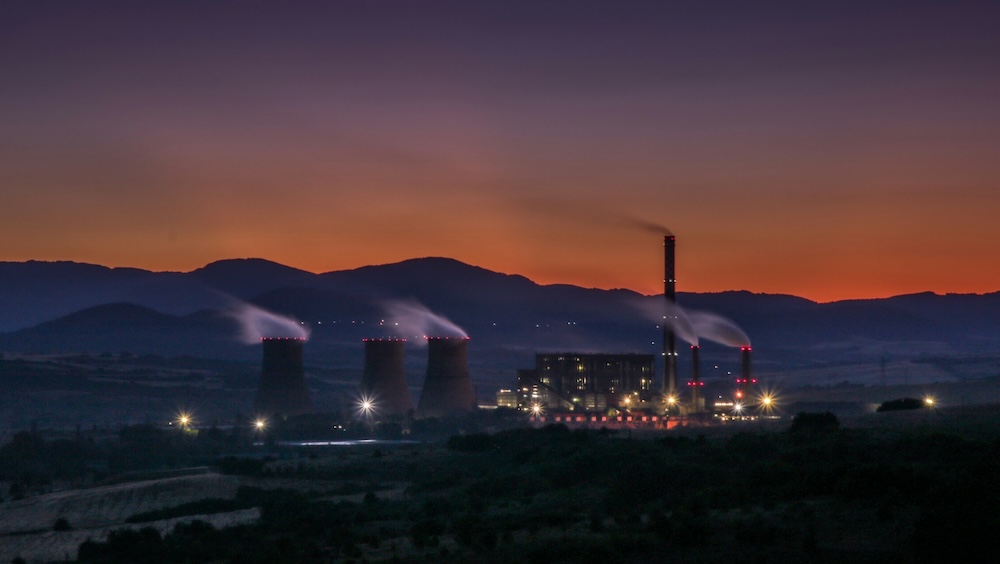
The nuclear sector is entering a new phase of global expansion. Across the globe, governments are commissioning new large-scale reactors, accelerating SMR development, and investing in advanced fuel cycles. Ambitions are bold: the EU has reaffirmed its support for next-generation nuclear projects as part of its decarbonization strategy, while the United Stat
The scaling challenge for SMR startups
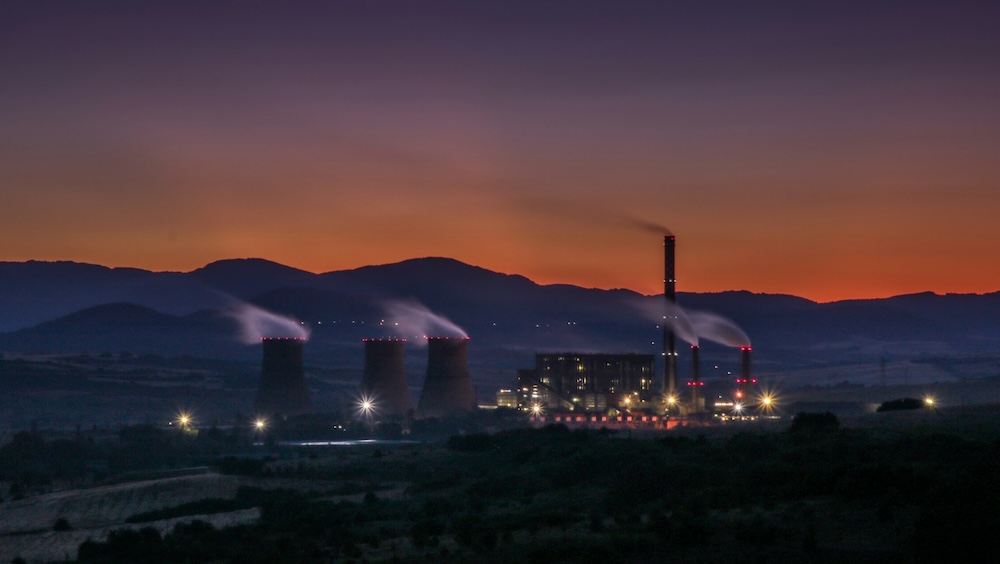
SMRs have become one of the most closely watched frontiers in energy innovation. Their promise is compelling: faster deployment, modular construction, enhanced safety features, and the ability to bring nuclear power into markets and applications where gigawatt-scale reactors are impractical. For governments, investors, and utilities, SMRs represent both a cl

The execution gap in nuclear: designing bankable projects at scale
A new chapter is unfolding for nuclear energy. From fusion breakthroughs to the commercial deployment of SMRs, the global race to decarbonize is putting nuclear technologies back at the center of energy conversations. However, this renaissance is not driven solely by engineering excellence. What’s emerging is a new imperative: to turn promising technologie