


Nuclear and data centres: beyond the PPA
The commercial models being used to connect nuclear energy with hyperscaler demand are more complex than they appear to be and carry risks that neither side has fully priced. Between September 2024 and January 2026, the four largest technology companies by data centre scale, Alphabet, Amazon, Meta, and Microsoft, each signed agreements to access nuclear [&he
Decommissioning as a market
As of today, 226 nuclear reactors have been permanently shut down worldwide. Of those, more than 200 are in some stage of active decommissioning. Only 23 have been fully dismantled. That gap, between the number of reactors that have stopped generating power and the number whose sites have been fully remediated, tells the central story […]
The SMR commercial model problem
The nuclear industry has spent the past decade focused on technology. Reactor designs, safety systems, fuel types, modular construction methods, passive cooling architectures, the engineering conversation around Small Modular Reactors has become increasingly sophisticated and increasingly crowded. While over 80 SMR designs and concepts are currently under de
Nuclear energy and the industrial decarbonization imperative
Every credible net-zero pathway agrees on one thing: electricity must decarbonize. Wind, solar, and storage dominate the public conversation around the energy transition. They attract the majority of political attention, investment flows, and infrastructure planning. They are necessary. They are not sufficient. Because electricity is only part of the challen

Why the next wave of electricity demand is a strategic issue for the nuclear industry
Electricity demand is entering a new phase. Not a gradual increase, not a cyclical rebound, but a structural shift driven by the rapid expansion of data centres and artificial intelligence workloads. For the nuclear industry, this evolution is not peripheral. It goes to the heart of how future capacity is planned, financed, regulated and integrated […
Nuclear supply chain under pressure in a fragmented world
The nuclear sector is entering a new phase of global expansion. Across the globe, governments are commissioning new large-scale reactors, accelerating SMR development, and investing in advanced fuel cycles. Ambitions are bold: the EU has reaffirmed its support for next-generation nuclear projects as part of its decarbonization strategy, while the United Stat
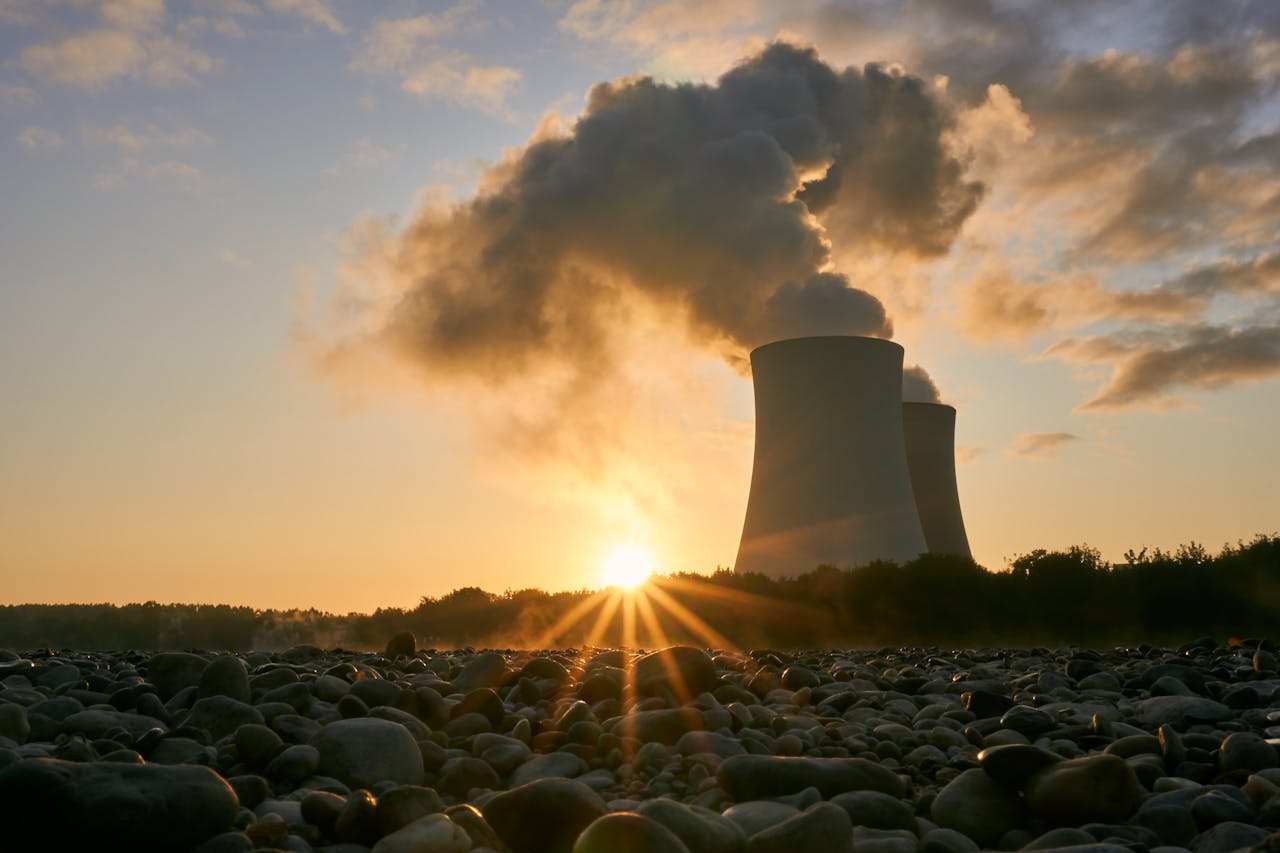
How strategic innovation in nuclear can deliver climate and energy resilience
Achieving climate neutrality while securing stable energy access is one of the most significant industrial challenges of our time. As governments confront volatile fuel markets and soaring electricity demand, nuclear energy is being redefined—not as legacy infrastructure, but as a core engine of innovation. Next-generation nuclear technologies, including s
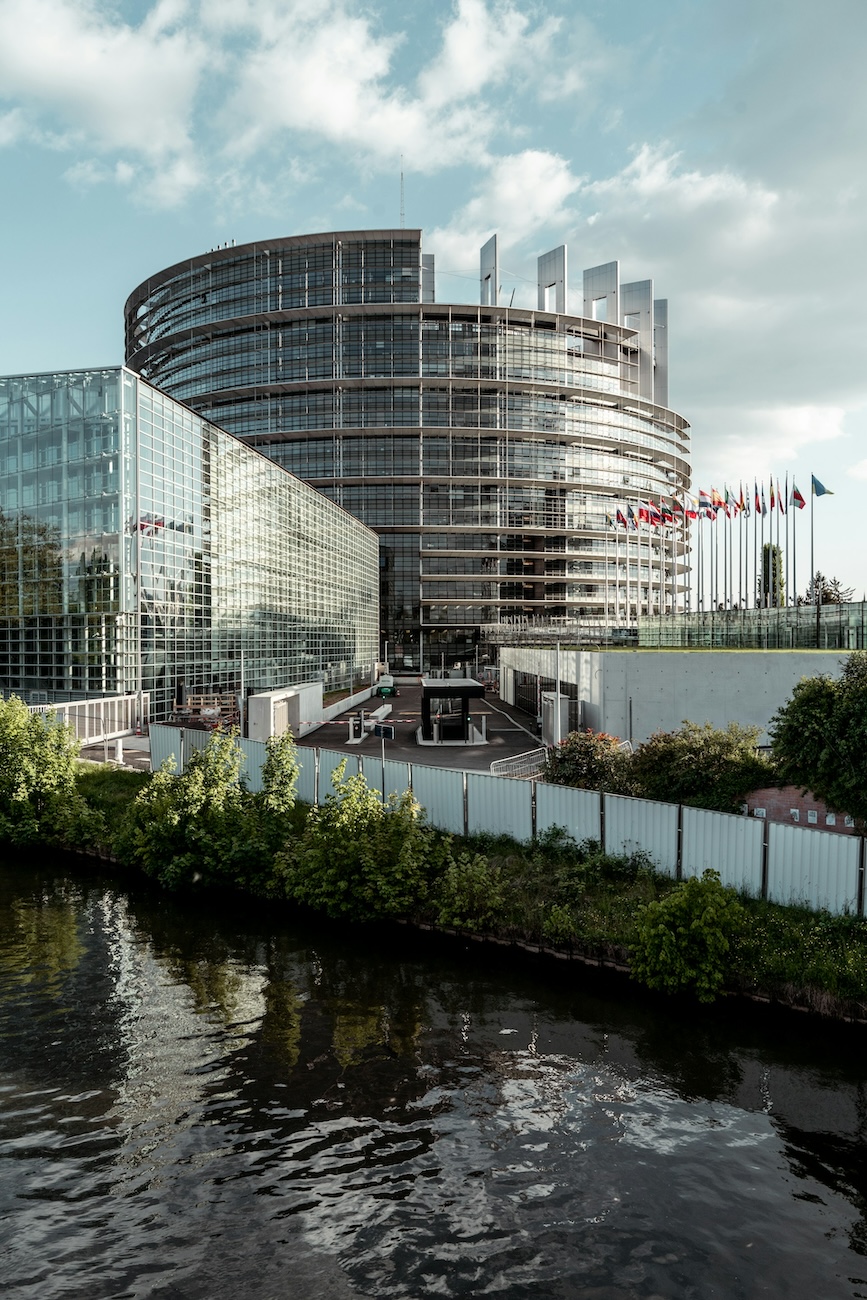
Why Europe must rethink nuclear deployment at scale
Europe’s ambition to reach net zero by 2050 hinges on one unavoidable reality: the continent needs more clean, dispatchable, and secure electricity. Nuclear power is central to meeting this need — but only if we stop treating it as a special case or future option, and start embedding it within long-term infrastructure and industrial planning. […]
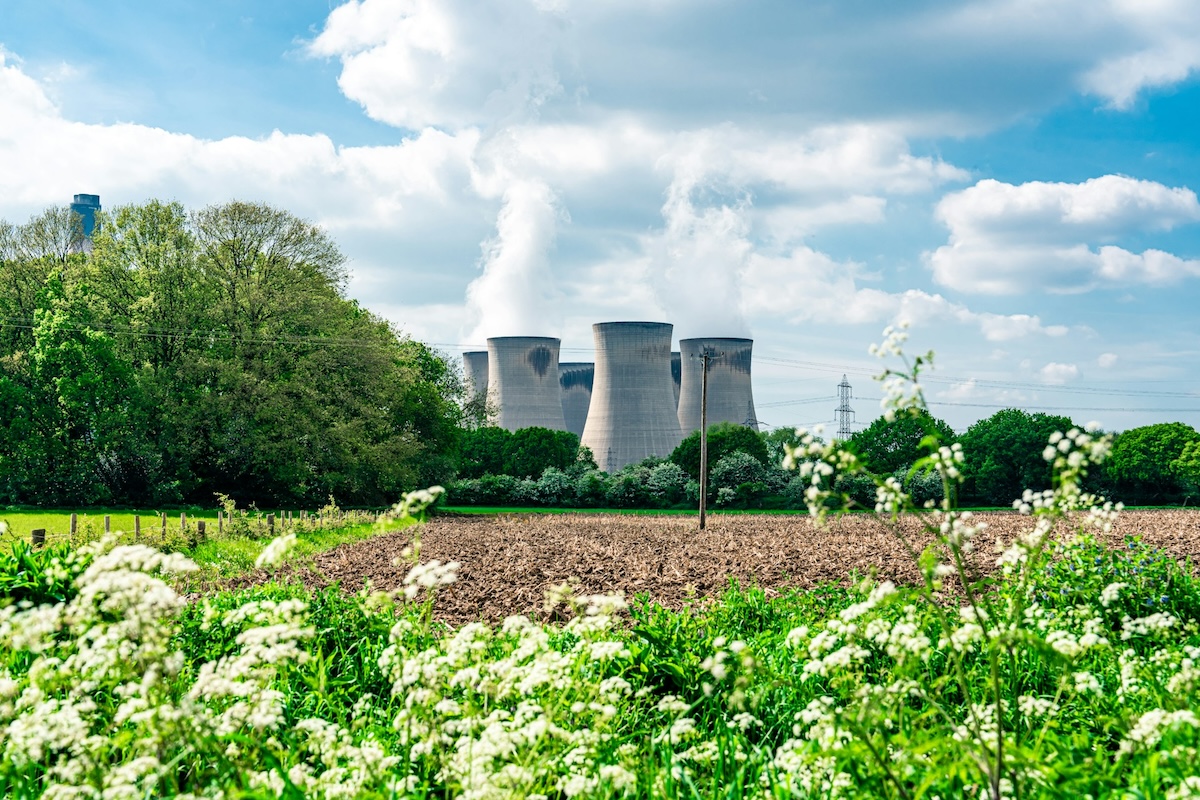
Rebalancing Europe’s energy future through nuclear power
As Europe advances toward its decarbonization goals, nuclear energy is witnessing a resurgence across the continent. Once marginalized by political concerns, long construction timelines, and the promise of cheaper renewables, nuclear power is now being reconsidered as a critical pillar of energy security, emissions reduction, and industrial resilience. This

Why global nuclear collaboration is the key to a clean energy future
From Europe to Africa and Asia to the Middle East, nuclear energy is once again at the forefront of global energy strategies. As nations double down on their climate commitments and race to secure stable, low-carbon power, interest in nuclear is growing rapidly. Yet, while national programs and proprietary technologies matter, one truth is becoming […