


Why nuclear desalination is the GCC’s most overlooked strategic asset
The global energy transition commands enormous attention, from boardrooms and parliaments to investment committees and international summits. Water security receives considerably less. That asymmetry is becoming difficult to justify. Water stress already affects large parts of the Middle East, North Africa, South Asia, and southern Europe. According to the W

The new geography of nuclear: energy security, supply chains and strategic autonomy
For most of its history, nuclear energy has been discussed through three familiar lenses: technology, safety, and financing. Reactor design, regulatory oversight, and project economics dominated conversations. That framework is no longer sufficient. What is increasingly reshaping nuclear today is geography, where critical materials originate, who controls ke
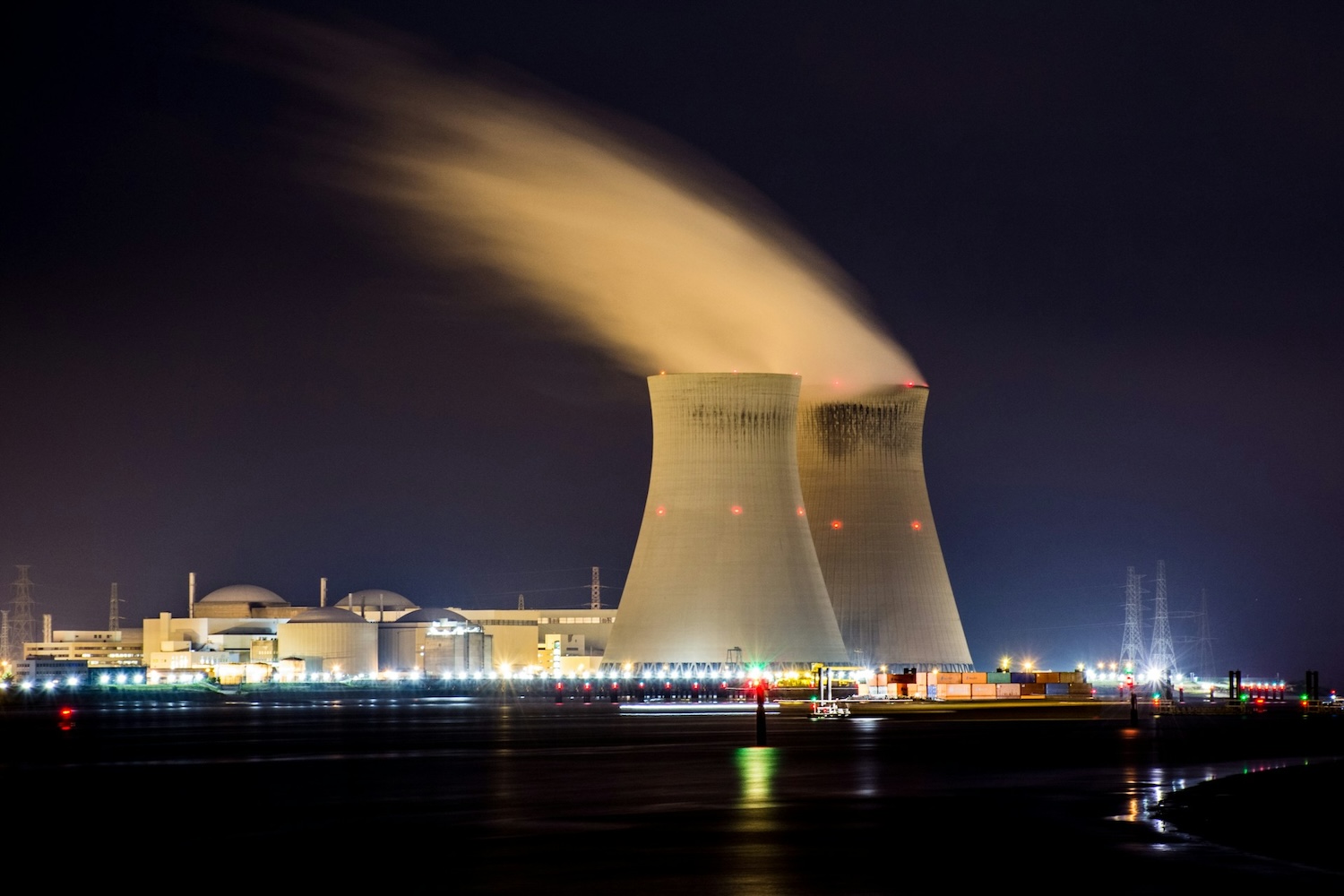
Why nuclear strategy decisions made today will define the next 20 years
In nuclear energy, timing is not a side consideration. It is the backbone of the deployment strategy. Decisions made today regarding technologies, industrial partnerships, supply chains, workforce development, and delivery models will shape energy systems well into the 2040s and beyond. Nuclear assets are designed today to operate for at least 60 years. Once

Nuclear’s role in the hydrogen economy
Hydrogen is rapidly moving to the center of Europe’s decarbonization strategy. It is seen as the missing piece for decarbonizing “hard-to-abate” sectors such as steel, cement, fertilizer, refining, and heavy transport. The European Commission’s Hydrogen Strategy envisions 40 GW of electrolysis capacity by 2030 and a mature market by 2050. Despite its
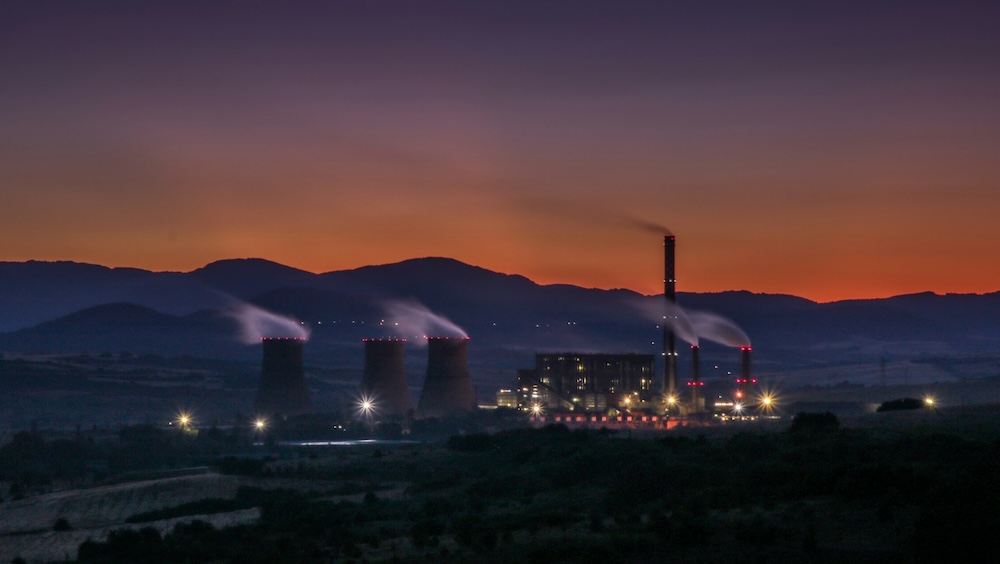
The scaling challenge for SMR startups
SMRs have become one of the most closely watched frontiers in energy innovation. Their promise is compelling: faster deployment, modular construction, enhanced safety features, and the ability to bring nuclear power into markets and applications where gigawatt-scale reactors are impractical. For governments, investors, and utilities, SMRs represent both a cl
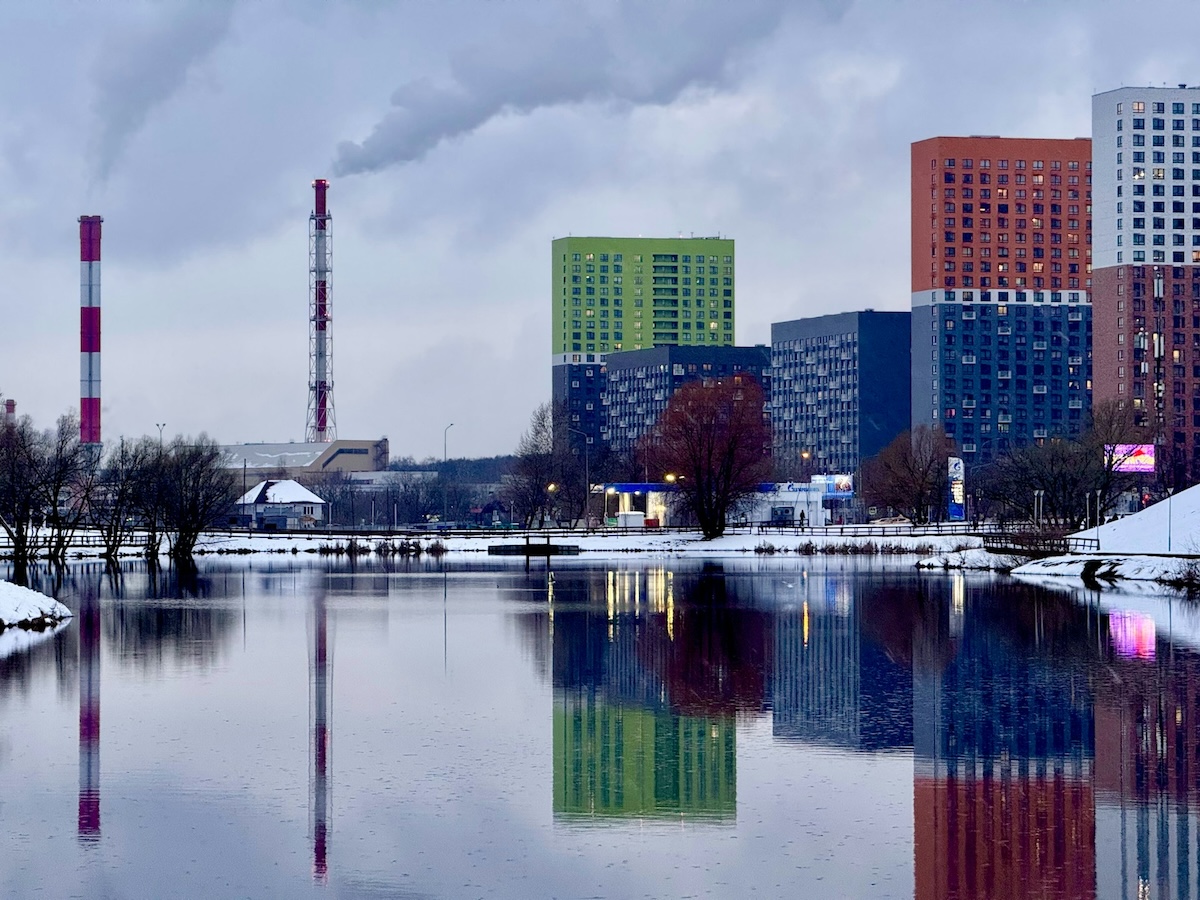
Unlocking nuclear’s potential in district heating, a strategic opportunity for Central and Eastern Europe
As Europe accelerates its decarbonization agenda, the energy transition is no longer focused solely on electricity. Heating and cooling account for around half of Europe’s final energy demand, yet remain one of the most carbon-intensive sectors. In Central and Eastern Europe, where district heating networks are widespread and heavily dependent on fossil fu
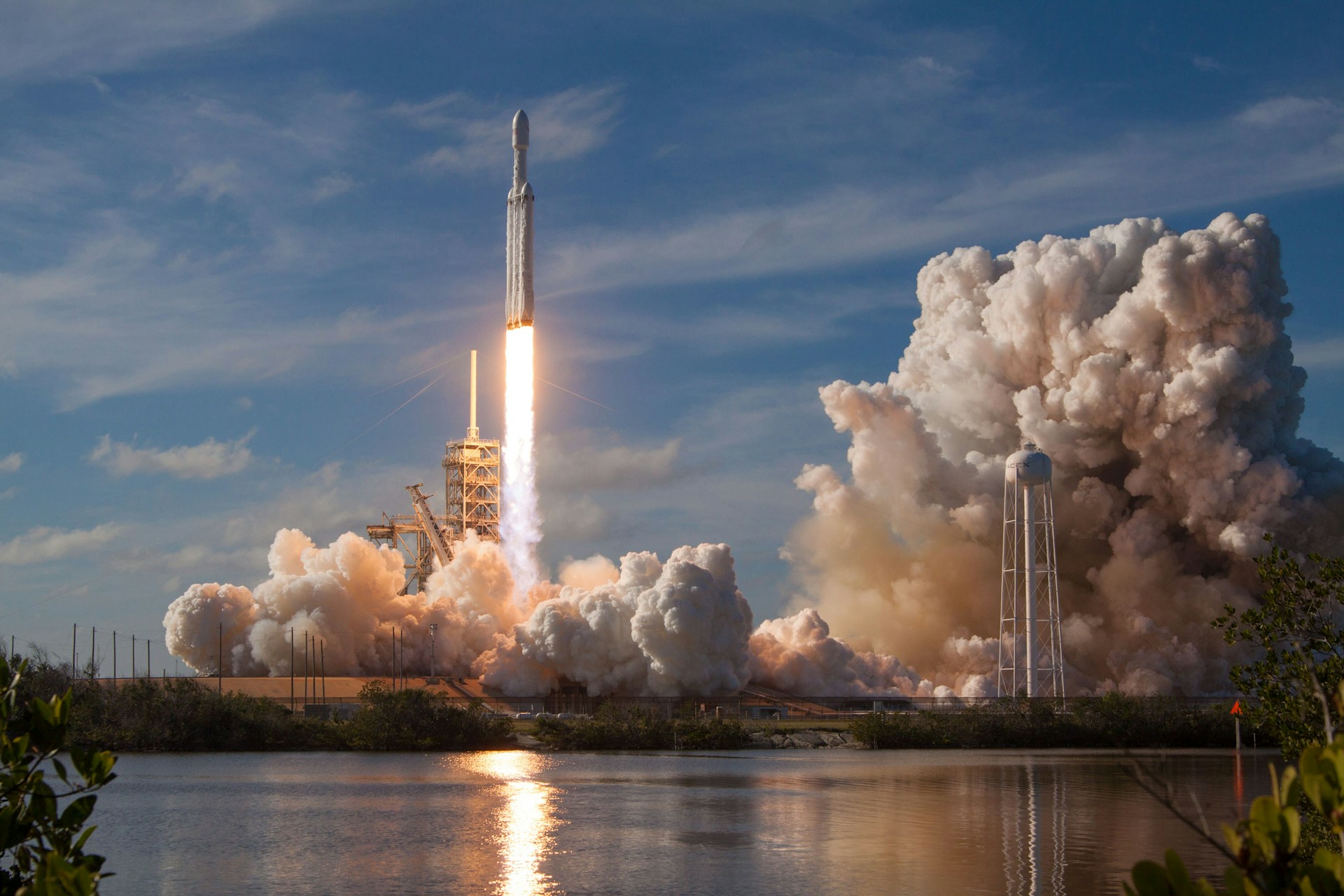
Beyond Earth: how nuclear power is fueling the next frontier in space exploration
Space is no longer the exclusive domain of science fiction or flagship government missions. Today, the new space race is not just about reaching the Moon or Mars first—it is about building the infrastructure that will make long-term exploration, settlement, and economic activity beyond Earth feasible. At the core of this strategic shift lies a […]
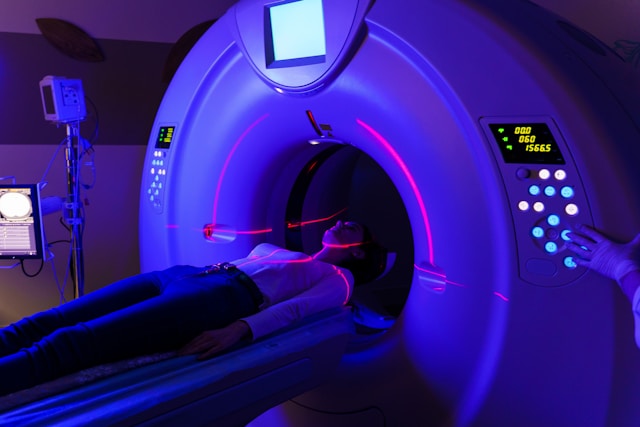
Nuclear medicine, a strategic imperative for future-ready healthcare
In today’s fast-evolving healthcare environment, the ability to deliver precise, personalized, and minimally invasive diagnostics and therapies has become a core necessity—not merely a competitive edge. At the forefront of this transformation is nuclear medicine, a powerful discipline that visualizes and impacts physiological processes at the molecular l
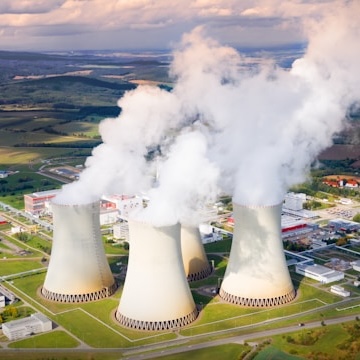
Nuclear energy and net zero, a strategic shift
As the global race toward net zero intensifies, nuclear energy is emerging not as a fallback but as a foundational pillar of decarbonized energy systems. Driven by innovation, geopolitical urgency, and a renewed policy focus, recent developments are rapidly transforming the role of nuclear power in achieving net-zero goals. Technological and industrial advan
The new nuclear playbook: what it takes to succeed in 2025 and beyond
The global energy sector is undergoing its most dramatic transformation in decades. As countries race to meet climate goals, secure energy independence, and upgrade outdated infrastructure, nuclear energy has re-emerged as a central pillar of the transition. For decades, nuclear power’s role was debated in boardrooms and parliaments. Today, it’s being op