

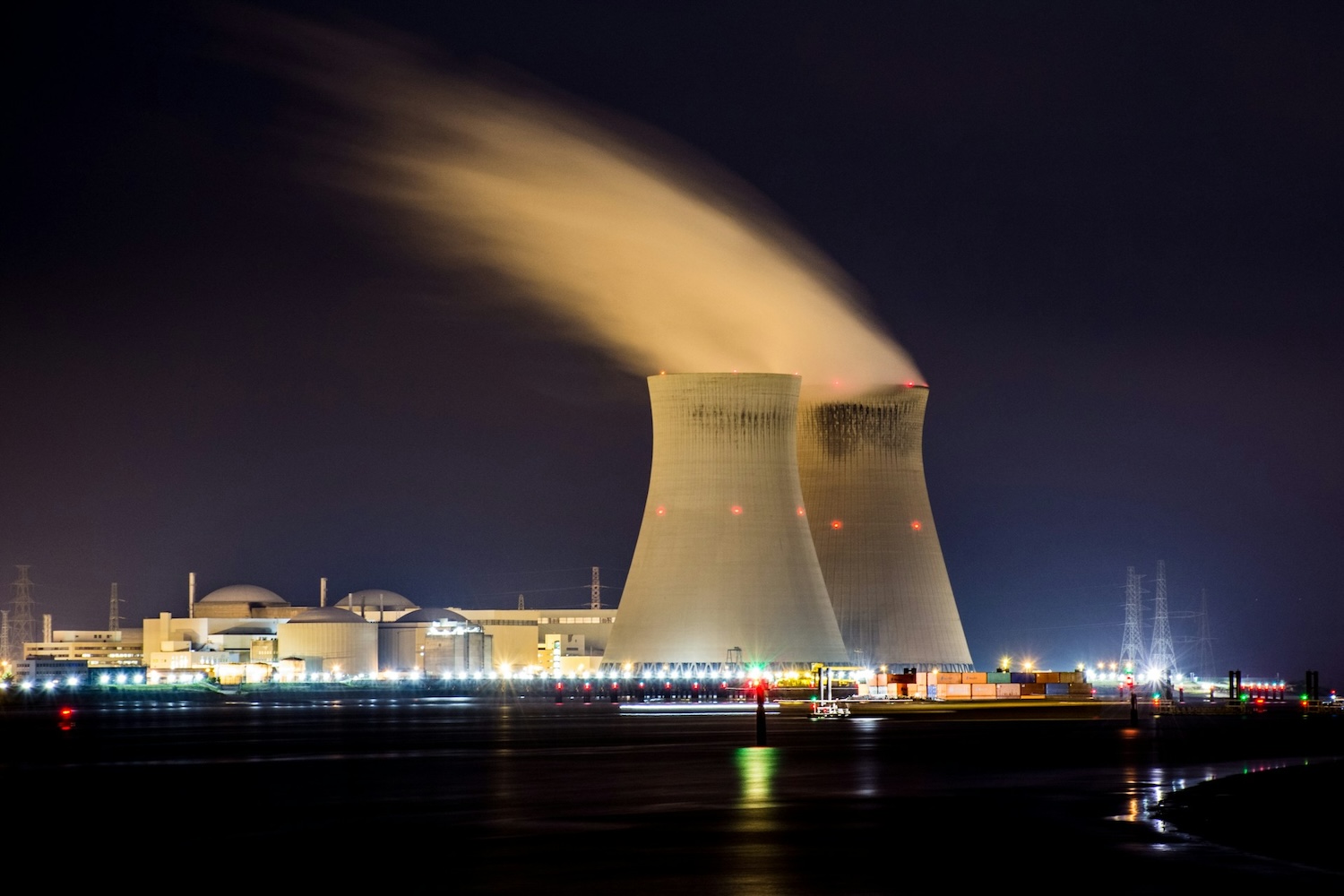
Why nuclear strategy decisions made today will define the next 20 years
In nuclear energy, timing is not a side consideration. It is the backbone of the deployment strategy. Decisions made today regarding technologies, industrial partnerships, supply chains, workforce development, and delivery models will shape energy systems well into the 2040s and beyond. Nuclear assets are designed today to operate for at least 60 years. Once

Nuclear’s role in the hydrogen economy
Hydrogen is rapidly moving to the center of Europe’s decarbonization strategy. It is seen as the missing piece for decarbonizing “hard-to-abate” sectors such as steel, cement, fertilizer, refining, and heavy transport. The European Commission’s Hydrogen Strategy envisions 40 GW of electrolysis capacity by 2030 and a mature market by 2050. Despite its
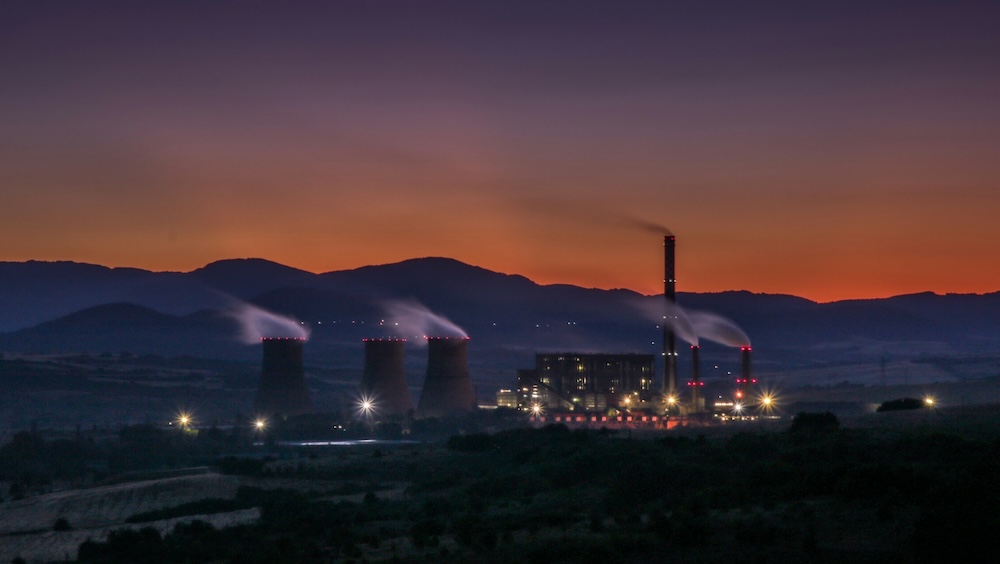
Nuclear supply chain under pressure in a fragmented world
The nuclear sector is entering a new phase of global expansion. Across the globe, governments are commissioning new large-scale reactors, accelerating SMR development, and investing in advanced fuel cycles. Ambitions are bold: the EU has reaffirmed its support for next-generation nuclear projects as part of its decarbonization strategy, while the United Stat
The scaling challenge for SMR startups
SMRs have become one of the most closely watched frontiers in energy innovation. Their promise is compelling: faster deployment, modular construction, enhanced safety features, and the ability to bring nuclear power into markets and applications where gigawatt-scale reactors are impractical. For governments, investors, and utilities, SMRs represent both a cl

The execution gap in nuclear: designing bankable projects at scale
A new chapter is unfolding for nuclear energy. From fusion breakthroughs to the commercial deployment of SMRs, the global race to decarbonize is putting nuclear technologies back at the center of energy conversations. However, this renaissance is not driven solely by engineering excellence. What’s emerging is a new imperative: to turn promising technologie
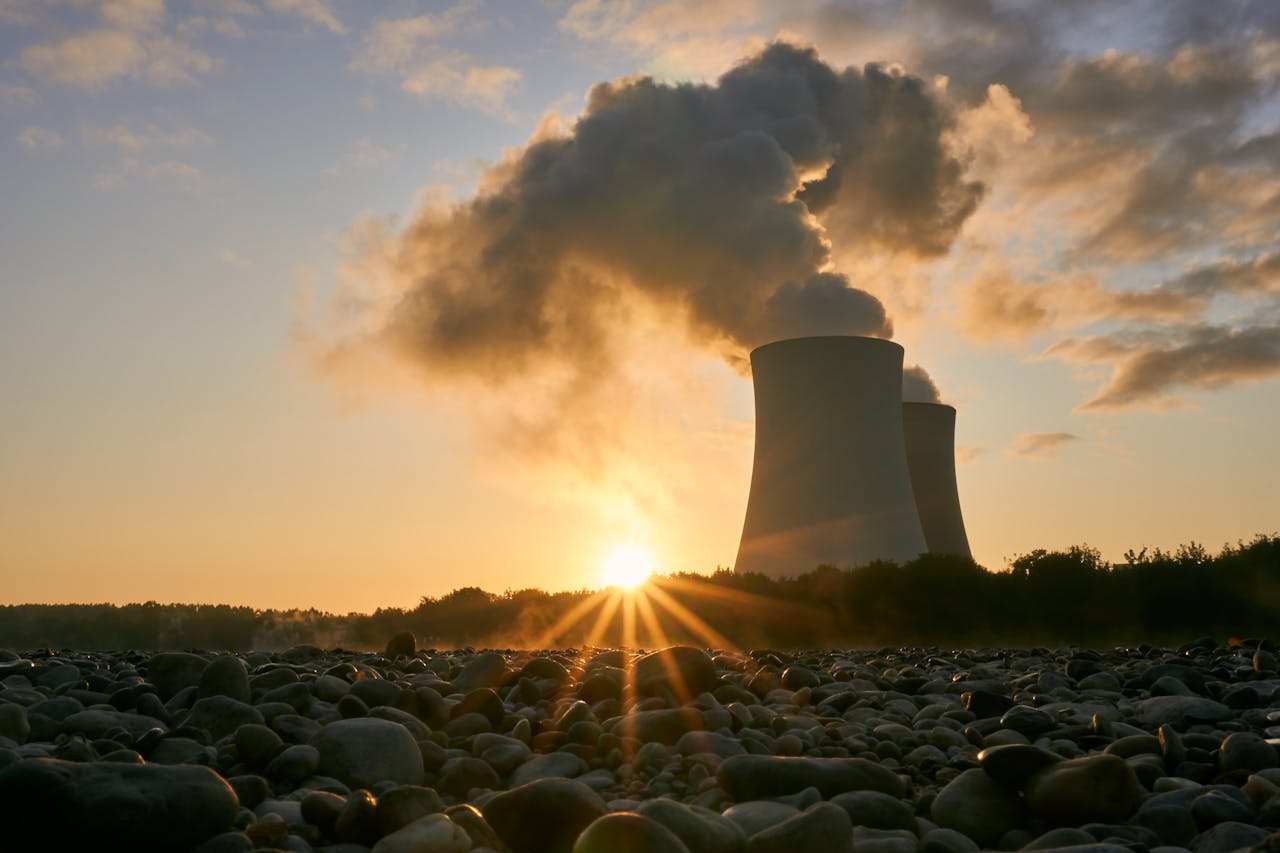
How strategic innovation in nuclear can deliver climate and energy resilience
Achieving climate neutrality while securing stable energy access is one of the most significant industrial challenges of our time. As governments confront volatile fuel markets and soaring electricity demand, nuclear energy is being redefined—not as legacy infrastructure, but as a core engine of innovation. Next-generation nuclear technologies, including s

Why Europe must rethink nuclear deployment at scale
Europe’s ambition to reach net zero by 2050 hinges on one unavoidable reality: the continent needs more clean, dispatchable, and secure electricity. Nuclear power is central to meeting this need — but only if we stop treating it as a special case or future option, and start embedding it within long-term infrastructure and industrial planning. […]

Nuclear medicine, a strategic imperative for future-ready healthcare
In today’s fast-evolving healthcare environment, the ability to deliver precise, personalized, and minimally invasive diagnostics and therapies has become a core necessity—not merely a competitive edge. At the forefront of this transformation is nuclear medicine, a powerful discipline that visualizes and impacts physiological processes at the molecular l

The Trump impact on nuclear energy: between ambition, acceleration, and controversy
President Donald Trump’s recent suite of executive orders marks a pivotal shift in U.S. nuclear energy policy, signalling an assertive effort to elevate nuclear power as a strategic pillar of national infrastructure, security, and economic growth. Trump impact on nuclear is reflected in the plan to quadruple capacity to 400 GW by 2050, positioning nuclear

Why global nuclear collaboration is the key to a clean energy future
From Europe to Africa and Asia to the Middle East, nuclear energy is once again at the forefront of global energy strategies. As nations double down on their climate commitments and race to secure stable, low-carbon power, interest in nuclear is growing rapidly. Yet, while national programs and proprietary technologies matter, one truth is becoming […