


Why the next wave of electricity demand is a strategic issue for the nuclear industry
Electricity demand is entering a new phase. Not a gradual increase, not a cyclical rebound, but a structural shift driven by the rapid expansion of data centres and artificial intelligence workloads. For the nuclear industry, this evolution is not peripheral. It goes to the heart of how future capacity is planned, financed, regulated and integrated […
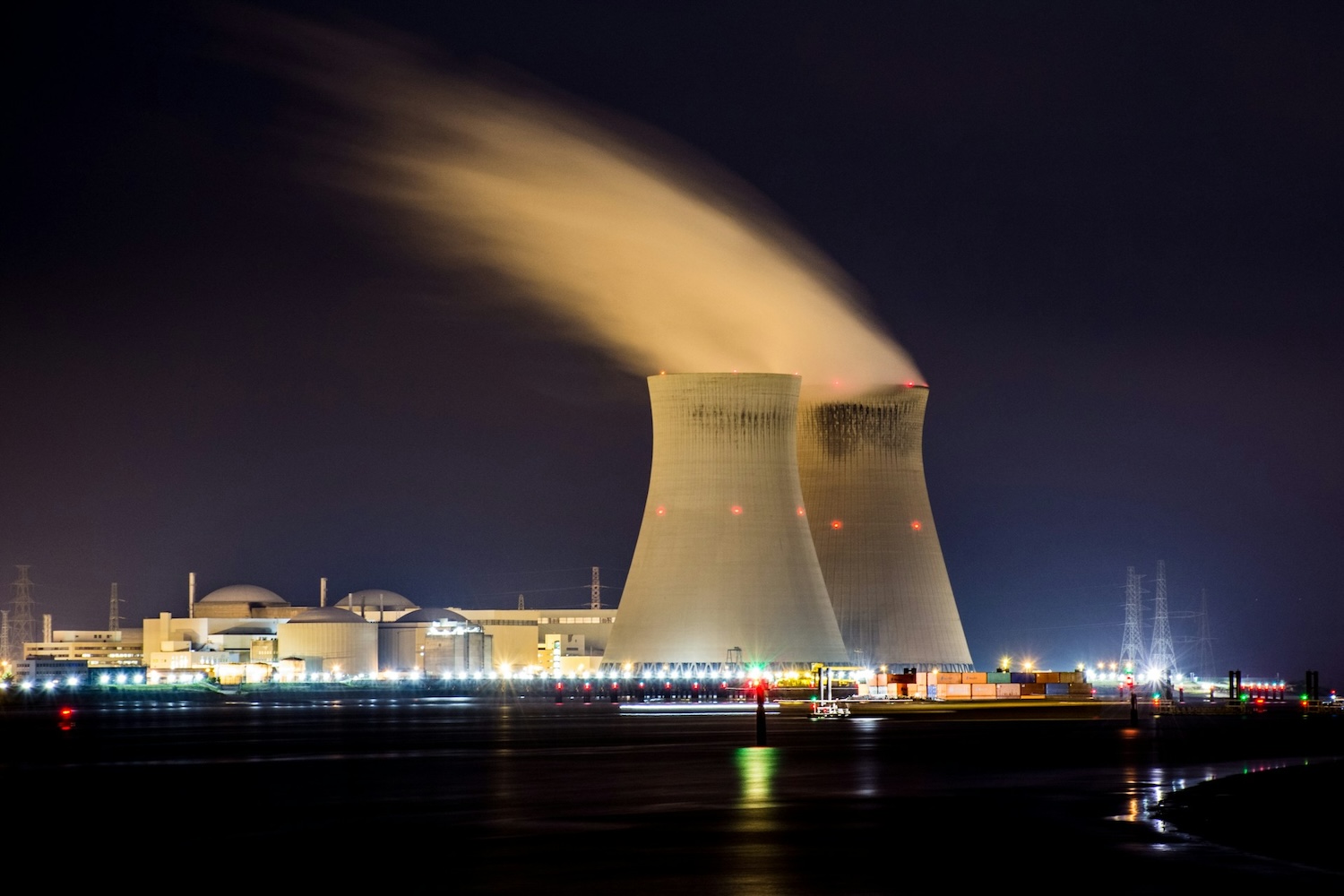
Why nuclear strategy decisions made today will define the next 20 years
In nuclear energy, timing is not a side consideration. It is the backbone of the deployment strategy. Decisions made today regarding technologies, industrial partnerships, supply chains, workforce development, and delivery models will shape energy systems well into the 2040s and beyond. Nuclear assets are designed today to operate for at least 60 years. Once

Nuclear’s role in the hydrogen economy
Hydrogen is rapidly moving to the center of Europe’s decarbonization strategy. It is seen as the missing piece for decarbonizing “hard-to-abate” sectors such as steel, cement, fertilizer, refining, and heavy transport. The European Commission’s Hydrogen Strategy envisions 40 GW of electrolysis capacity by 2030 and a mature market by 2050. Despite its
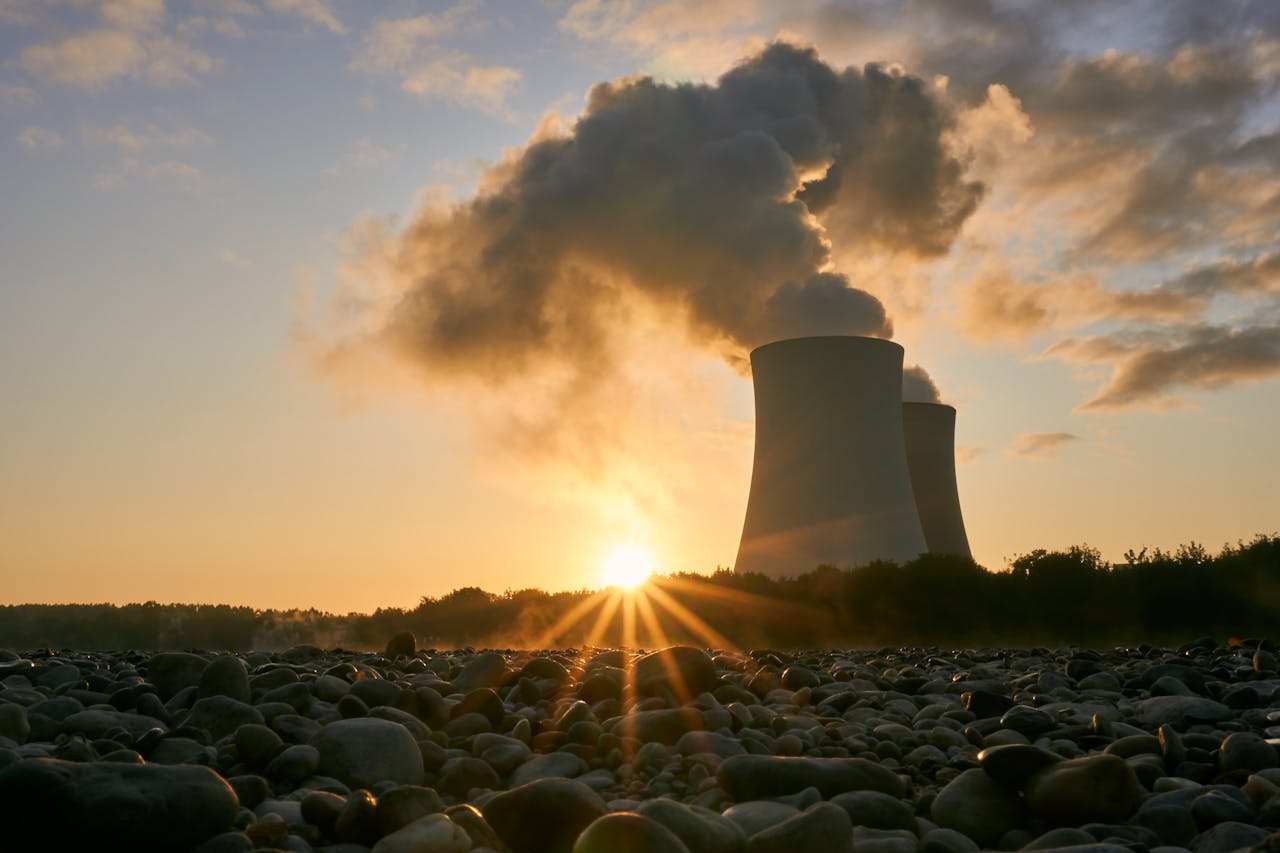
How strategic innovation in nuclear can deliver climate and energy resilience
Achieving climate neutrality while securing stable energy access is one of the most significant industrial challenges of our time. As governments confront volatile fuel markets and soaring electricity demand, nuclear energy is being redefined—not as legacy infrastructure, but as a core engine of innovation. Next-generation nuclear technologies, including s
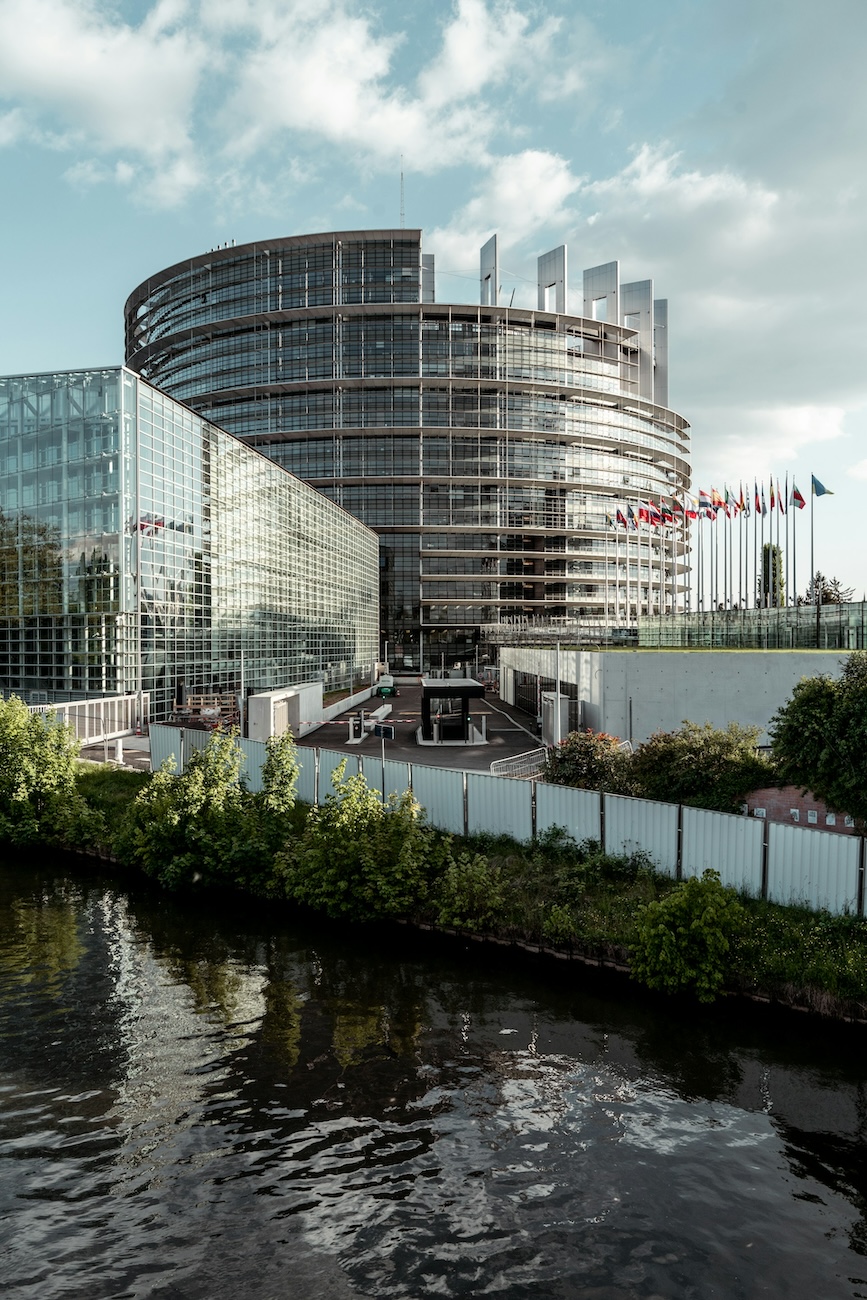
Why Europe must rethink nuclear deployment at scale
Europe’s ambition to reach net zero by 2050 hinges on one unavoidable reality: the continent needs more clean, dispatchable, and secure electricity. Nuclear power is central to meeting this need — but only if we stop treating it as a special case or future option, and start embedding it within long-term infrastructure and industrial planning. […]
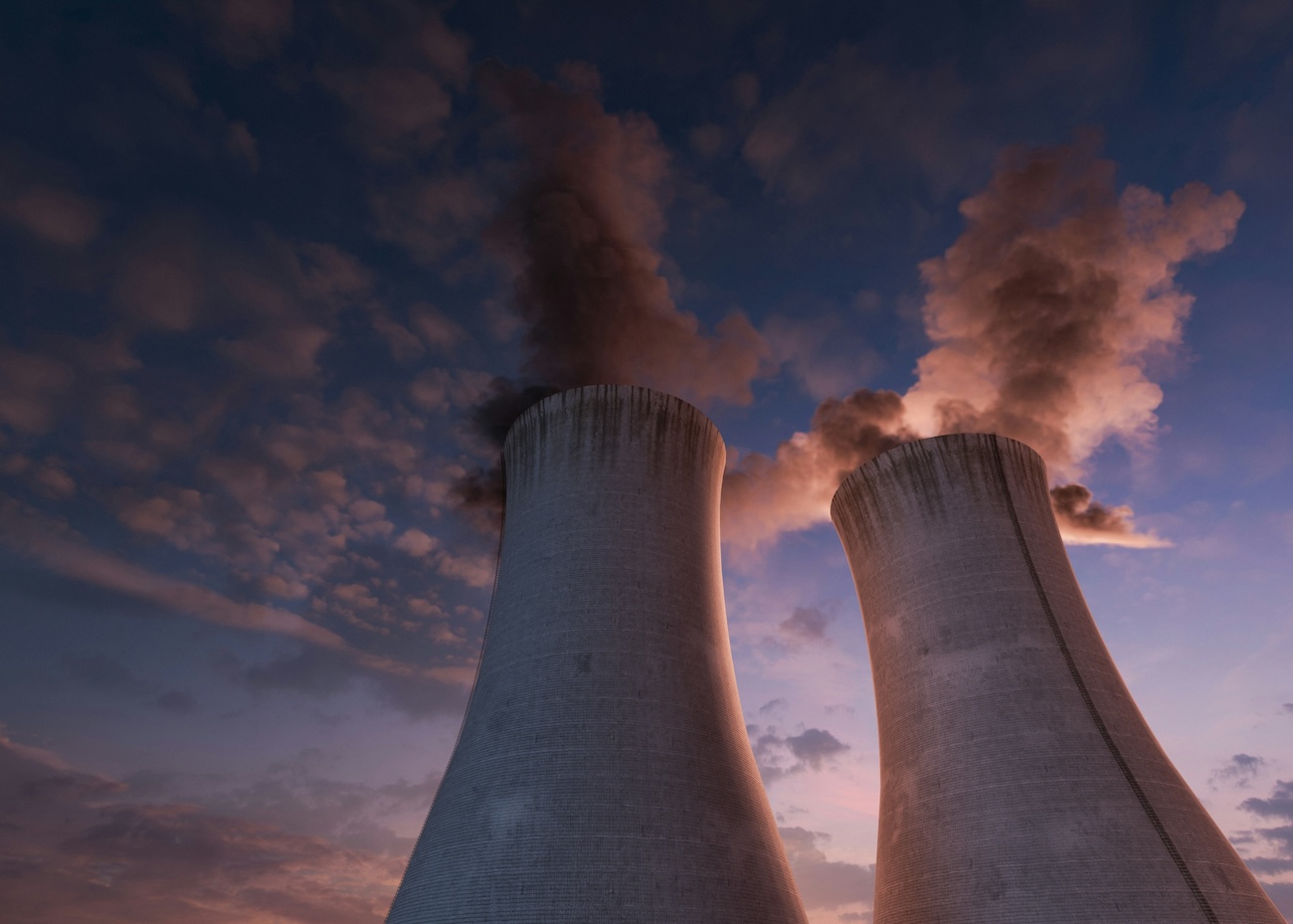
The new nuclear playbook: what it takes to succeed in 2025 and beyond
The global energy sector is undergoing its most dramatic transformation in decades. As countries race to meet climate goals, secure energy independence, and upgrade outdated infrastructure, nuclear energy has re-emerged as a central pillar of the transition. For decades, nuclear power’s role was debated in boardrooms and parliaments. Today, it’s being op

Leveraging blockchain in nuclear security: enhancing transparency and efficiency
The integration of blockchain technology in nuclear security represents a transformative advance, addressing the dual demands of transparency and robust security in the management of nuclear materials. Blockchain technology, known for its decentralized and immutable record-keeping capabilities, offers a revolutionary approach to secure and transparently trac

Nuclear safety reimagined: a comprehensive analysis of technological innovations and historical lessons
The nuclear energy sector is at a pivotal juncture, balancing the demands of innovation, environmental sustainability, and public trust. Nuclear safety has emerged not just as a regulatory requirement but as a cornerstone of the industry’s progression.Over the years, advancements in safety protocols, technological breakthroughs, and lessons learned from pa

Unlocking the future: how digital transformation can revolutionise the nuclear sector
The nuclear sector, like many industries, is undergoing a significant digital transformation, driven by the need for increased efficiency, safety, and sustainability. As the global push toward net-zero emissions intensifies, nuclear energy is seen as a key player in decarbonizing the energy landscape. Digital technologies offer the nuclear industry a u