


Why the next wave of electricity demand is a strategic issue for the nuclear industry
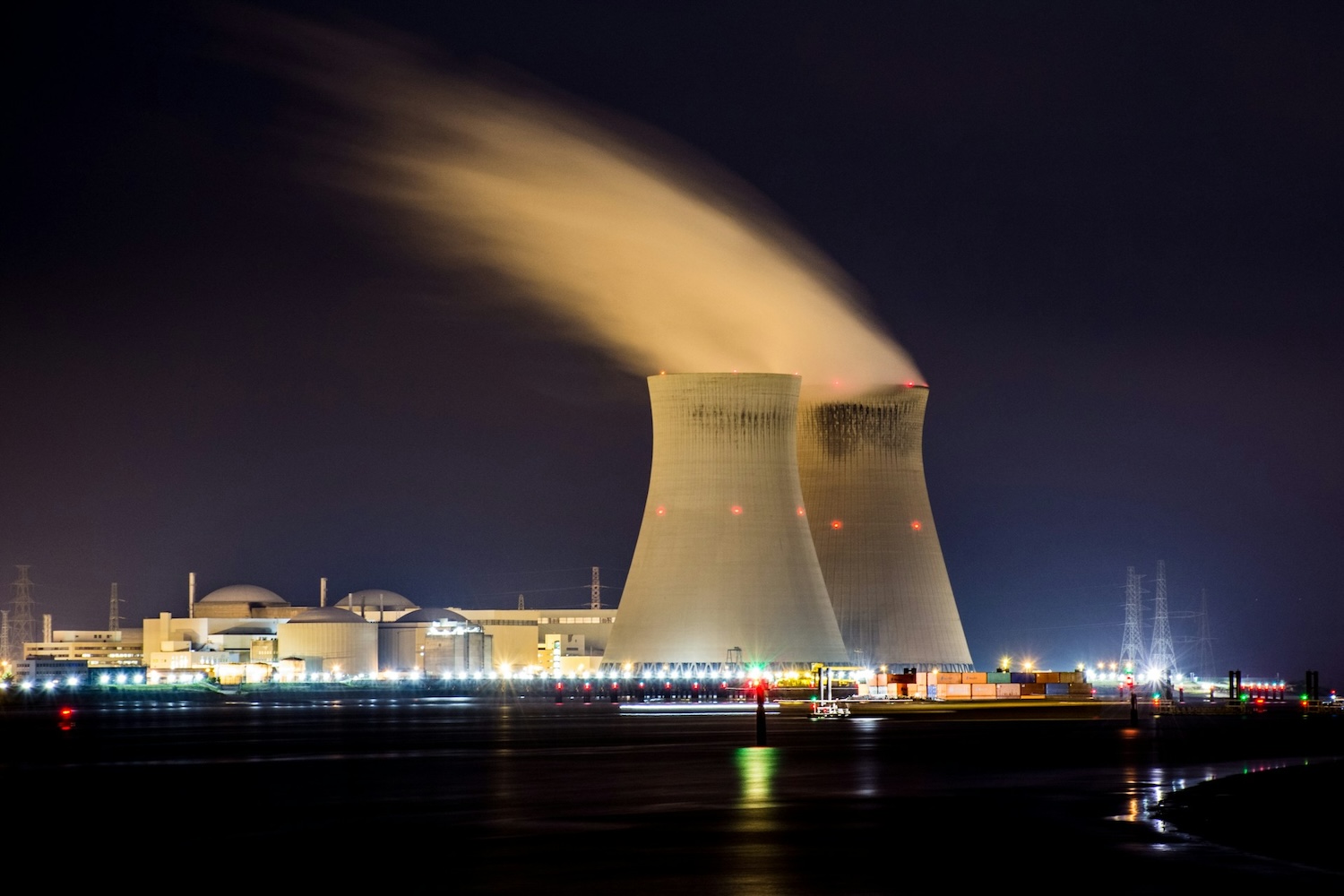
Electricity demand is entering a new phase. Not a gradual increase, not a cyclical rebound, but a structural shift driven by the rapid expansion of data centres and artificial intelligence workloads. For the nuclear industry, this evolution is not peripheral. It goes to the heart of how future capacity is planned, financed, regulated and integrated […
Why nuclear strategy decisions made today will define the next 20 years
In nuclear energy, timing is not a side consideration. It is the backbone of the deployment strategy. Decisions made today regarding technologies, industrial partnerships, supply chains, workforce development, and delivery models will shape energy systems well into the 2040s and beyond. Nuclear assets are designed today to operate for at least 60 years. Once

Nuclear’s role in the hydrogen economy
Hydrogen is rapidly moving to the center of Europe’s decarbonization strategy. It is seen as the missing piece for decarbonizing “hard-to-abate” sectors such as steel, cement, fertilizer, refining, and heavy transport. The European Commission’s Hydrogen Strategy envisions 40 GW of electrolysis capacity by 2030 and a mature market by 2050. Despite its
Nuclear supply chain under pressure in a fragmented world
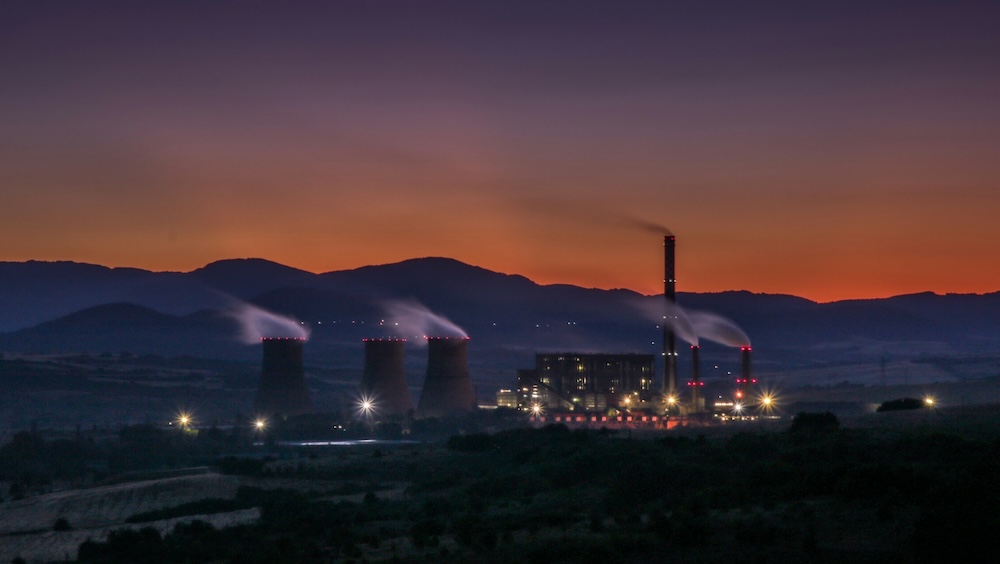
The nuclear sector is entering a new phase of global expansion. Across the globe, governments are commissioning new large-scale reactors, accelerating SMR development, and investing in advanced fuel cycles. Ambitions are bold: the EU has reaffirmed its support for next-generation nuclear projects as part of its decarbonization strategy, while the United Stat
The scaling challenge for SMR startups
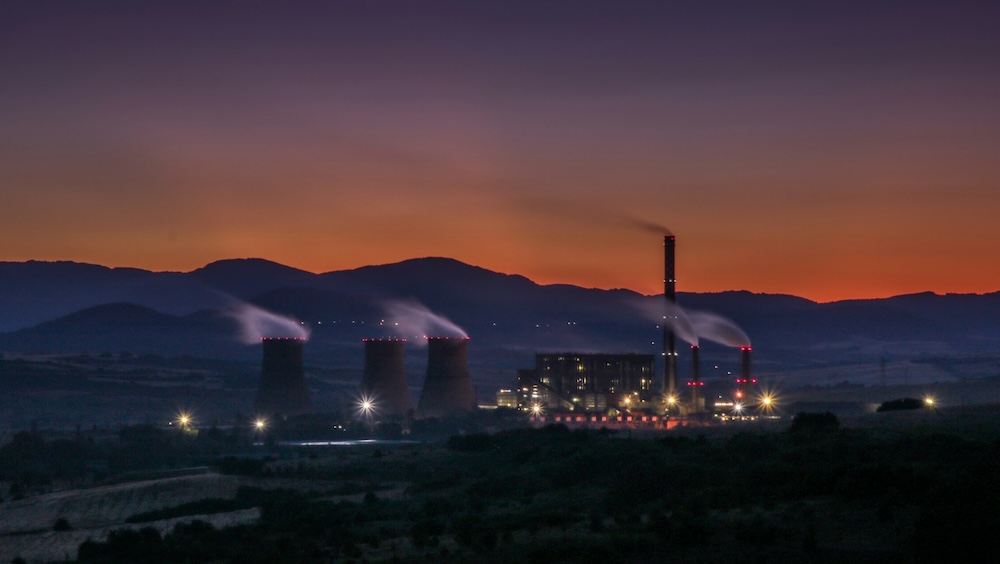
SMRs have become one of the most closely watched frontiers in energy innovation. Their promise is compelling: faster deployment, modular construction, enhanced safety features, and the ability to bring nuclear power into markets and applications where gigawatt-scale reactors are impractical. For governments, investors, and utilities, SMRs represent both a cl

France’s nuclear renaissance and the talent imperative
France stands at the forefront of Europe’s nuclear revival. With the government committing to a new generation of EPR2 reactors, the refurbishment of La Hague, the construction of Georges Besse II enrichment plant, a first wave of SMRs, and ambitious investments in next-generation technologies, the sector is set for unprecedented expansion. Yet, beneath th

The execution gap in nuclear: designing bankable projects at scale
A new chapter is unfolding for nuclear energy. From fusion breakthroughs to the commercial deployment of SMRs, the global race to decarbonize is putting nuclear technologies back at the center of energy conversations. However, this renaissance is not driven solely by engineering excellence. What’s emerging is a new imperative: to turn promising technologie
Nuclear medicine, a strategic imperative for future-ready healthcare
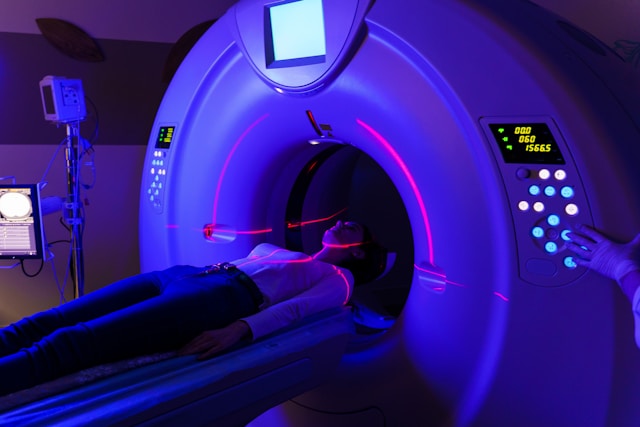
In today’s fast-evolving healthcare environment, the ability to deliver precise, personalized, and minimally invasive diagnostics and therapies has become a core necessity—not merely a competitive edge. At the forefront of this transformation is nuclear medicine, a powerful discipline that visualizes and impacts physiological processes at the molecular l
Nuclear energy and net zero, a strategic shift
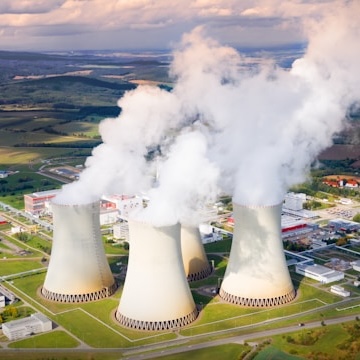
As the global race toward net zero intensifies, nuclear energy is emerging not as a fallback but as a foundational pillar of decarbonized energy systems. Driven by innovation, geopolitical urgency, and a renewed policy focus, recent developments are rapidly transforming the role of nuclear power in achieving net-zero goals. Technological and industrial advan
Rebalancing Europe’s energy future through nuclear power
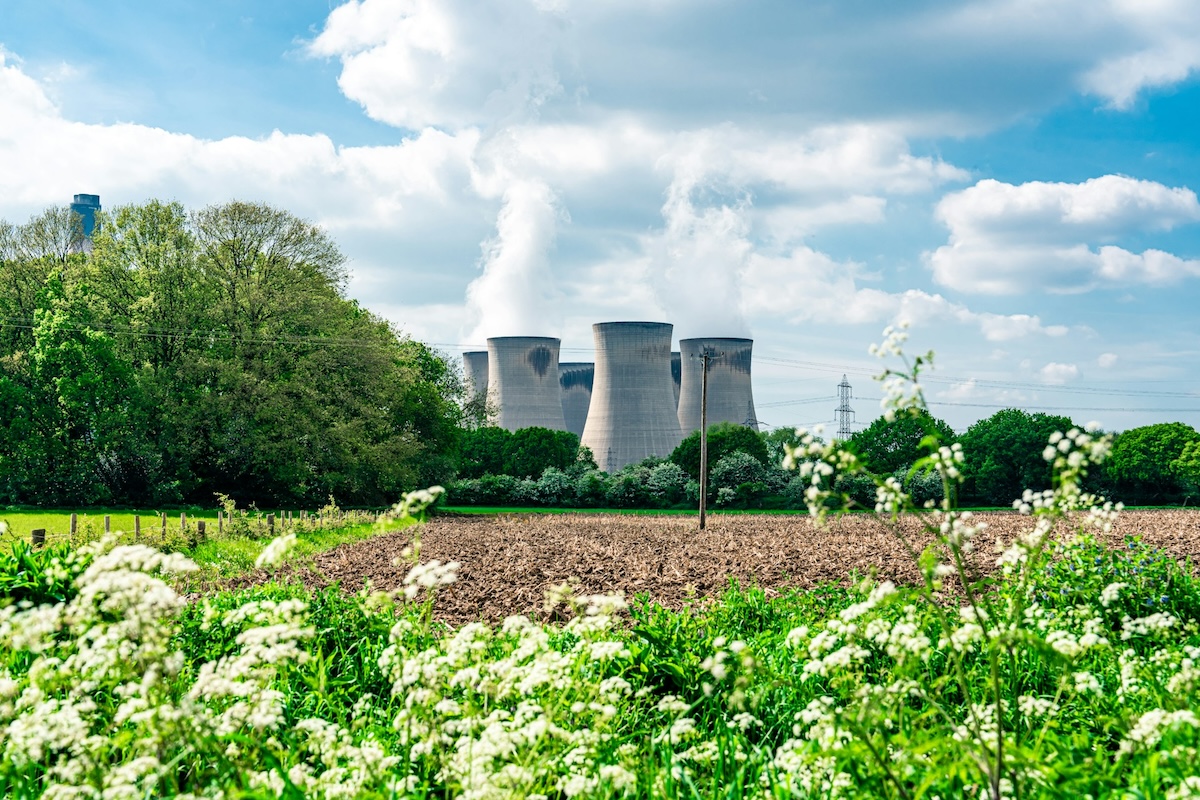
As Europe advances toward its decarbonization goals, nuclear energy is witnessing a resurgence across the continent. Once marginalized by political concerns, long construction timelines, and the promise of cheaper renewables, nuclear power is now being reconsidered as a critical pillar of energy security, emissions reduction, and industrial resilience. This