


The Trump impact on nuclear energy: between ambition, acceleration, and controversy
President Donald Trump’s recent suite of executive orders marks a pivotal shift in U.S. nuclear energy policy, signalling an assertive effort to elevate nuclear power as a strategic pillar of national infrastructure, security, and economic growth. Trump impact on nuclear is reflected in the plan to quadruple capacity to 400 GW by 2050, positioning nuclear

Why global nuclear collaboration is the key to a clean energy future
From Europe to Africa and Asia to the Middle East, nuclear energy is once again at the forefront of global energy strategies. As nations double down on their climate commitments and race to secure stable, low-carbon power, interest in nuclear is growing rapidly. Yet, while national programs and proprietary technologies matter, one truth is becoming […
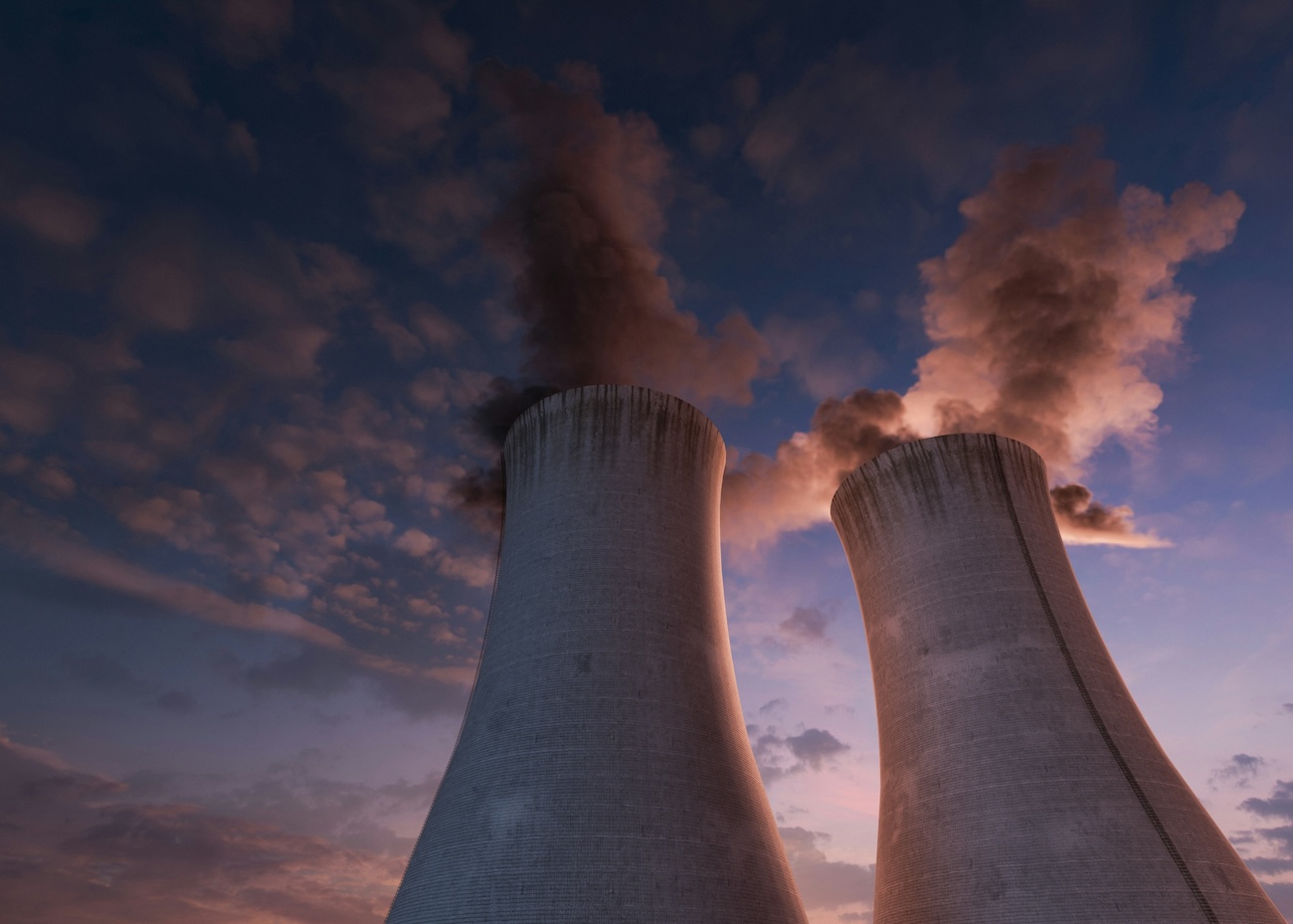
The new nuclear playbook: what it takes to succeed in 2025 and beyond
The global energy sector is undergoing its most dramatic transformation in decades. As countries race to meet climate goals, secure energy independence, and upgrade outdated infrastructure, nuclear energy has re-emerged as a central pillar of the transition. For decades, nuclear power’s role was debated in boardrooms and parliaments. Today, it’s being op

Leveraging blockchain in nuclear security: enhancing transparency and efficiency
The integration of blockchain technology in nuclear security represents a transformative advance, addressing the dual demands of transparency and robust security in the management of nuclear materials. Blockchain technology, known for its decentralized and immutable record-keeping capabilities, offers a revolutionary approach to secure and transparently trac

Nuclear energy in Spain: strategic implications of the phase-out decision
Spain’s 2019 agreement to completely phase out nuclear power by 2035 marks a pivotal moment for the nation’s energy security, economic stability, and decarbonization goals. This technical assessment delves into the complex implications of this decision, analyzing its impact within the broader context of global energy transitions. It aims to provi

Nuclear development in Africa: a strategic imperative for sustainable growth
Africa stands at a pivotal moment in its energy future. With its population expected to soar to 2.5 billion by 2050 and electricity demand projected to double by 2040, the continent faces an urgent need for reliable, scalable, and sustainable energy solutions. While Africa has abundant renewable energy potential, existing infrastructure, intermittent supply,
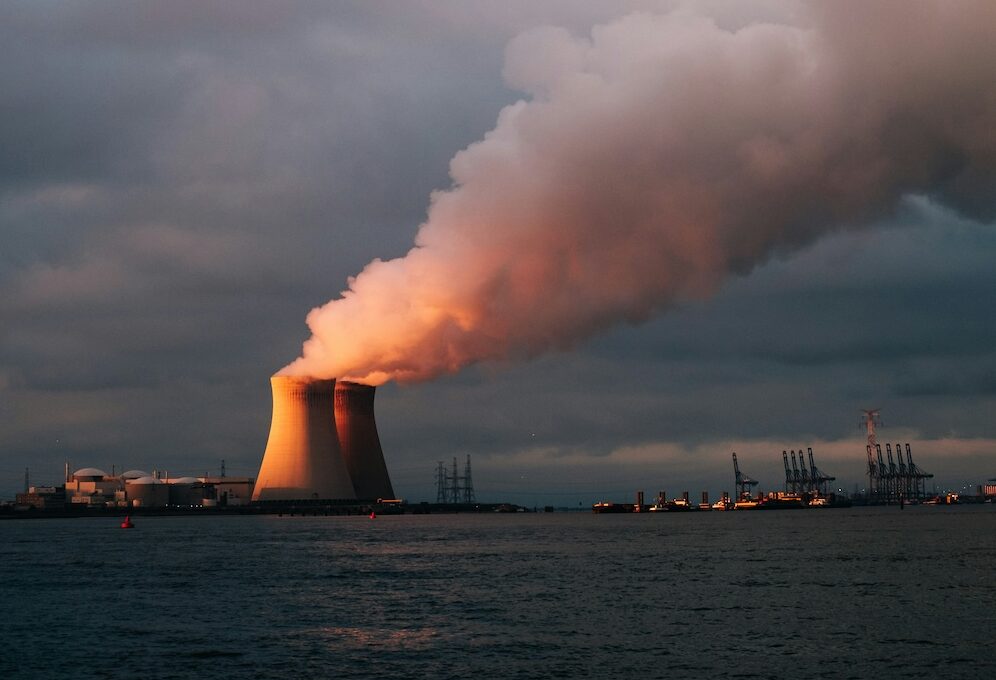
Nuclear energy: a strategic pathway to national energy independence
Contextualising energy independence and energy security in the 21st century The concept of energy security and energy independence have evolved dramatically in the past two decades. Energy is no longer a mere economic consideration; it has transformed into a critical national security imperative. Geopolitical experts now recognise energy as a fundamental com

The impact of the Trump administration on American nuclear energy policy
The Trump administration’s approach to energy policy marks a pivotal moment in the development of the American nuclear industry, presenting unprecedented opportunities for innovation, market expansion, and global leadership. With a clear mandate to “drill, baby, drill,” the administration is poised not only to enhance traditional energy pro

Nuclear safety reimagined: a comprehensive analysis of technological innovations and historical lessons
The nuclear energy sector is at a pivotal juncture, balancing the demands of innovation, environmental sustainability, and public trust. Nuclear safety has emerged not just as a regulatory requirement but as a cornerstone of the industry’s progression.Over the years, advancements in safety protocols, technological breakthroughs, and lessons learned from pa

Nuclear energy: a critical pathway to America’s net zero ambitions
The global battle against climate change demands transformative energy solutions capable of balancing sustainability, reliability, and scalability. As nations worldwide strive to meet ambitious decarbonisation targets, the United States finds itself at a crossroads, requiring bold and innovative approaches to reduce greenhouse gas emissions while sustaining