Nuclear in a multi-technology energy system
For decades, nuclear energy has been assessed in isolation.
The central question was whether to build it, with alternatives evaluated on cost, safety, and delivery. That framing is becoming increasingly outdated.
As energy systems decarbonise, the challenge is no longer to choose between technologies. It is to make them work together.
Nuclear now operates alongside renewables, storage, hydrogen production, electrified demand, and increasingly, large-scale digital infrastructure such as data centres. Each of these assets behaves differently — technically, economically, and operationally.
The complexity is no longer in individual technologies. It is in the system design that connects them.
From competition to coexistence
Energy debates have long been structured around competition: nuclear versus renewables, baseload versus flexibility, centralised versus distributed systems.
In reality, decarbonised grids require all of these elements simultaneously.
Renewables provide low-cost, variable generation. Storage absorbs short-term fluctuations. Electrification reshapes demand profiles and increases total consumption. Hydrogen introduces flexible demand and new storage dynamics. Data centres add continuous, high-density loads that require reliability.
Within this evolving system, nuclear plays a distinct role. It provides stable, low-carbon generation at scale, independent of weather conditions. But its value is no longer defined solely by its ability to generate electricity. It is defined by how effectively it integrates with the rest of the system.
The question is not whether nuclear competes with other technologies.
It is how it performs alongside them.
The integration challenge
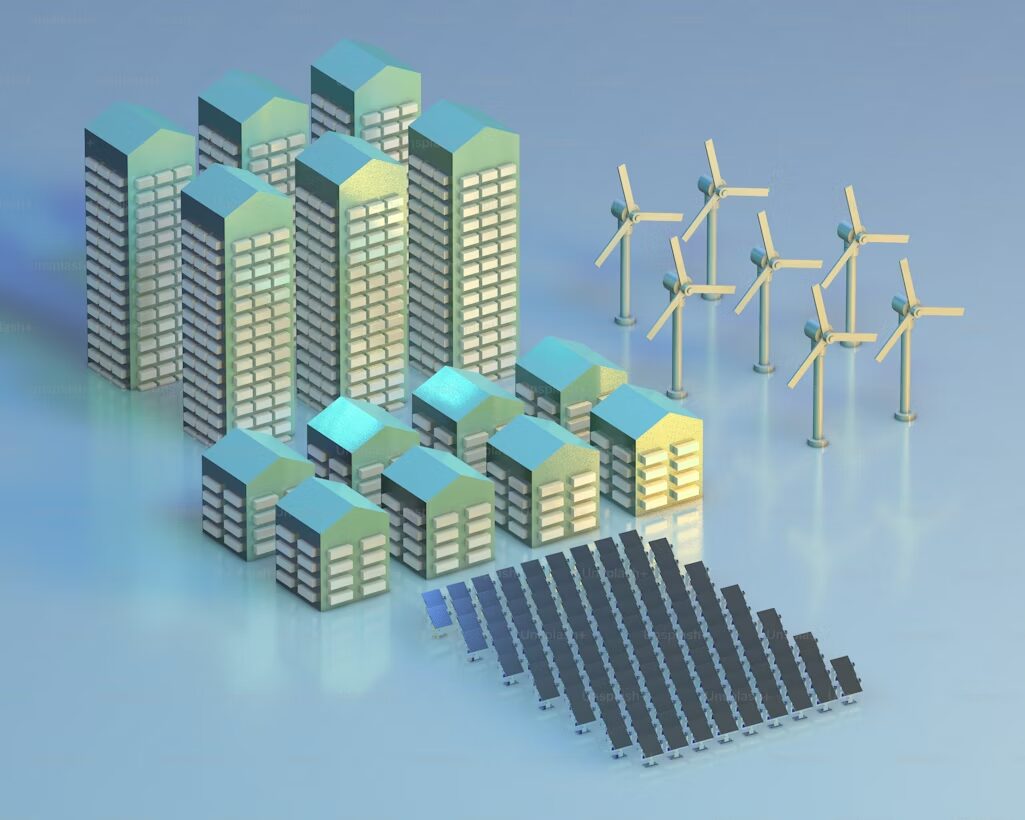
Integrating nuclear into a multi-technology system introduces a different level of complexity.
Highly renewable grids generate volatility in both supply and pricing. Market structures, often based on marginal pricing, were not designed for assets with high capital costs and long operational lifetimes. At the same time, industrial demand is becoming more complex, with clusters requiring combinations of power, heat, and hydrogen. Infrastructure decisions increasingly span sectors that were historically managed separately.
In this environment, nuclear cannot be treated as a standalone asset.
Its role must be defined in relation to the broader system, variable renewable generation, flexible demand sources such as hydrogen electrolysis, storage operating across different time horizons, and the physical constraints of transmission networks.
Without this system-level perspective, integration becomes inefficient, and in some cases, structurally constrained.
Market design as an enabler
One of the most significant barriers to effective integration lies in market design.
Electricity markets in many regions are structured around short-term marginal pricing. This model efficiently dispatches low-cost generation but does not fully capture the value of firm, low-carbon capacity over time.
As a result, nuclear assets can be undervalued relative to the stability they provide to the system.
Addressing this misalignment does not require abandoning market mechanisms. It requires adapting them so that they reflect system needs more accurately. Long-term contracts, capacity remuneration mechanisms, and hybrid pricing structures are increasingly being used to align revenue streams with the role that different assets play.
Certainty, in this context, comes from ensuring that revenue models are consistent with system value.
Infrastructure must be co-optimised
Integration is not only a question of markets. It is also a question of physical infrastructure.
Energy systems are becoming increasingly interconnected. Nuclear plants can supply electricity to the grid, heat to industrial processes, and energy to hydrogen production. Data centres are seeking stable, low-carbon baseload supply. Industrial clusters are evolving into multi-energy hubs where electricity, heat, and fuels are interconnected.
These interactions create significant opportunities, but only when infrastructure is planned coherently.
Co-optimisation requires aligning generation assets with grid capacity, industrial demand with energy availability, and new uses such as hydrogen production with existing infrastructure constraints. Decisions taken in isolation risk creating inefficiencies that persist for decades. Integrated planning, by contrast, allows multiple systems to reinforce each other.
Defining the role of each asset
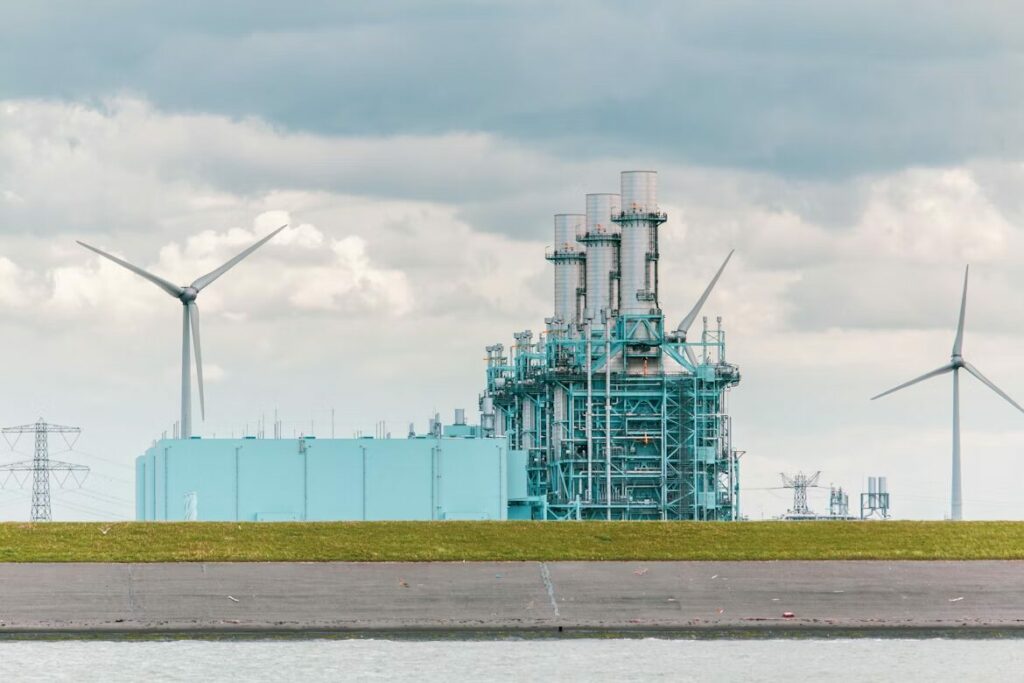
A multi-technology system only functions when each component is clearly positioned.
Nuclear is not designed to deliver short-term flexibility like batteries. Storage cannot provide long-duration resilience at the same scale as baseload generation. Hydrogen introduces flexibility, but also new infrastructure requirements. Renewables provide low-cost energy but are inherently variable.
System performance depends on assigning each asset a role that matches its characteristics.
For nuclear, this means operating where its strengths are most valuable. It provides stability in systems with high renewable penetration, supports industrial processes that require continuous energy, enables high-utilisation hydrogen production, and anchors supply for energy-intensive digital infrastructure.
Clarity at this level reduces inefficiencies and improves the overall performance of the system.
Certainty comes from system clarity
In a multi-technology energy system, uncertainty does not come from individual technologies. It comes from how they interact.
Certainty is therefore not achieved by focusing on nuclear alone. It emerges from coherent market design, regulatory frameworks that enable integration, infrastructure planning that spans sectors, and clear definitions of roles across the system.
When these elements are aligned, nuclear can operate effectively alongside other technologies, contributing to a system that is both resilient and decarbonised.
A system perspective
The transition to low-carbon energy systems is not a technology race. It is a system challenge.
Nuclear’s value lies not only in what it produces, but in how it interacts with the broader ecosystem of generation, demand, and infrastructure.
Because nuclear does not compete in isolation.
It performs in systems.
Related posts

The SMR IPO landscape: Capital is flowing. The question is: whose?

The signal behind India’s uranium diplomacy