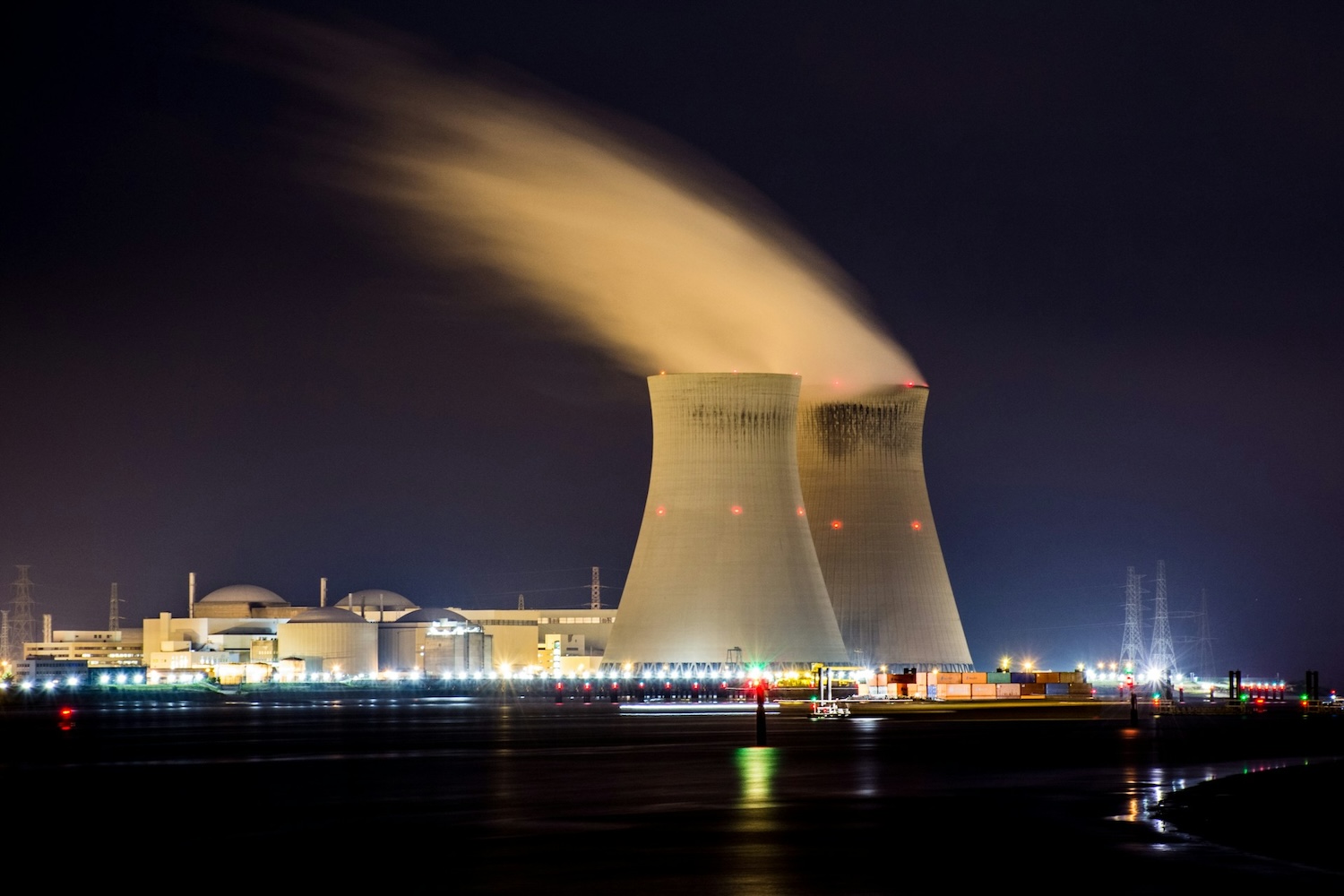
Why nuclear strategy decisions made today will define the next 20 years
In nuclear energy, timing is not a side consideration. It is the backbone of the deployment strategy.
Decisions made today regarding technologies, industrial partnerships, supply chains, workforce development, and delivery models will shape energy systems well into the 2040s and beyond. Nuclear assets are designed today to operate for at least 60 years. Once strategic pathways are chosen, reversing them without significant cost, delay, or loss of credibility is difficult.
Hence, “when decisions are made” matters just as much as “what decisions are made”.
A convergence moment for nuclear
Now, several structural forces are converging. However, this momentum is not indefinite. Energy security has returned to the top of national agendas following geopolitical disruptions and supply shocks. Decarbonisation targets are shifting from long-term aspiration to near-term implementation. Meanwhile, governments are reasserting industrial policy, designating nuclear energy as a strategic sector linked to sovereignty, competitiveness, and skilled employment.
The International Energy Agency reports that global electricity demand is projected to grow at its fastest pace in decades, driven by the electrification of transport, industrial processes, hydrogen production, and the rapid expansion of data centres. These uses require firm, dispatchable, low-carbon power, a requirement variable-only systems struggle to meet at scale.
Nuclear sits precisely at this crossroad. But alignment alone does not guarantee delivery.
Timing matters because nuclear systems are path-dependent
Unlike many energy technologies, nuclear projects are deeply path-dependent. Early strategic decisions, reactor selection, licensing route, contracting approach, supply-chain localisation, and skills strategy, lock in consequences for decades.
Postponing these decisions does not preserve flexibility. It often fragments execution:
- suppliers invest without long-term visibility,
- regulators face evolving or incomplete submissions,
- workforce pipelines develop out of sync with project needs,
- and capital markets apply higher risk premiums.
Analysis from the OECD Nuclear Energy Agency shows that governance quality, industrial readiness, and delivery structures are consistently stronger predictors of project outcomes than reactor technology choice alone. In other words, strategic hesitation increases execution risk.
Energy security and decarbonisation now come in pairs
Historically, countries treated energy security and decarbonisation as parallel objectives. That separation is now disappearing.
Recent European experience demonstrates that reliance on imported fossil fuels exposes economies to volatility, political leverage, and price shocks. At the same time, climate targets require rapid emissions abatement in power, heat, and industry sectors that demand a reliable energy supply.
Nuclear power already provides approximately 9% of global electricity and remains among the lowest-lifecycle-emission sources. Unlike intermittent sources, it delivers a predictable output independent of weather or fuel markets.
The strategic implication is clear: if nuclear decisions are delayed today, countries risk locking themselves into prolonged reliance on fossil fuels or fragile systems that struggle under rising demand.
Industrial policy is reshaping nuclear supply chains
Nuclear deployment is increasingly intertwined with industrial strategy.
The United States’ recent partnerships around Westinghouse, Canada’s reinforcement of fuel cycle capacity, and Central and Eastern Europe’s push to localise SMR supply chains illustrate a shift toward mobilising the nuclear supply chain. Nuclear is no longer treated solely as an energy asset, but as a driver of manufacturing, exports, and high-value employment.
However, nuclear supply chains have long lead times. Heavy forgings, reactor vessels, qualified valves, control systems, and fuel fabrication capacity cannot be scaled overnight. Once lost, industrial capability is difficult to recover.
The World Bank has highlighted that infrastructure sectors with complex supply chains require early and credible demand signals to unlock private investment. Nuclear is no exception.
Timing matters because supply chains invest where long-term clarity exists — not where intentions remain uncertain.
Workforce is emerging as a structural constraint

Across mature nuclear markets, workforce availability is becoming a decisive factor.
In Europe, North America, and parts of Asia, a large share of experienced nuclear professionals is approaching retirement. At the same time, new build, life extension, decommissioning, waste management, and SMR programmes are competing for the same skills.
Recent national assessments — including in Sweden, France, and the UK — indicate that thousands of additional engineers, technicians, welders, safety specialists, and project managers will be required over the next two decades. Skills pipelines take years to rebuild through education, training, and on-the-job experience.
Without early coordination between governments, industry, and academia, workforce shortages risk becoming a hard bottleneck — regardless of technology readiness.
Timing matters because people are the longest-lead asset in nuclear delivery.
Capital discipline is tightening
Capital is available for nuclear, but it is increasingly selective.
Public lenders, export credit agencies, institutional investors, and corporate offtakers are demanding clarity on delivery pathways, regulatory schedules, risk allocation, and industrial readiness. This trend is visible in revised lending frameworks from multilateral institutions and in the growing emphasis on structured project governance.
Projects that delay strategic structuring often face higher financing costs or extended negotiations. Those who demonstrate readiness early benefit from improved confidence and reduced uncertainty premiums.
This reflects a broader shift: capital is no longer chasing ambition; it is rewarding preparedness.
The next 20 years are being decided now
The nuclear sector is entering a defining phase.
The combination of rising electricity demand, climate constraints, geopolitical pressure, and renewed industrial policy has created a rare window for nuclear to reassert its long-term relevance. But this window is not permanent.
Decisions deferred today will shape outcomes tomorrow, determining which countries secure resilient energy systems, which industries capture value, and which projects ultimately reach construction.
Nuclear’s role in the energy transition will be determined more by the timing and quality of current decisions than by future promises.
Because in nuclear, strategy is not only about direction. It is about when you move and with whom you choose to navigate that moment.
Related posts

Why the next wave of electricity demand is a strategic issue for the nuclear industry
Why nuclear strategy decisions made today will define the next 20 years